


USDA and APHIS Permits for Importing Produce Through Laredo: What You Must Get Right
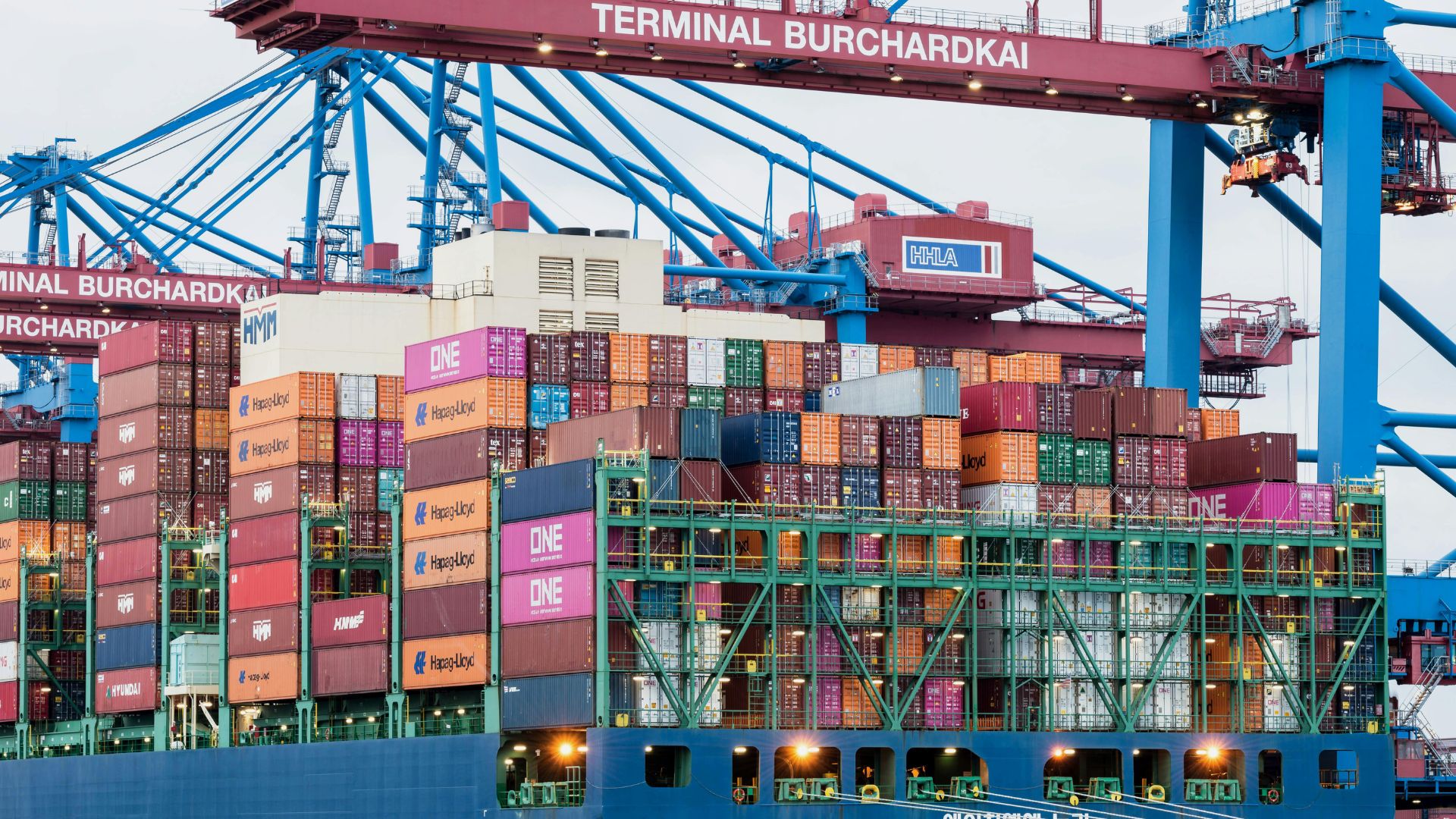
Importing produce into the U.S.—especially through Laredo—isn’t just about moving goods quickly. It’s about getting every compliance detail right before your shipment even reaches the border.
If you’ve ever had a load delayed, inspected, or worse—rejected—you already know how high the stakes are. The good news? USDA and APHIS rules are strict, but they’re also predictable when you understand them.
This guide breaks down exactly what you need to know to avoid costly mistakes and move your agricultural shipments through Laredo with confidence.
Key Takeaways
- Most USDA shipment rejections are caused by preventable documentation or permit issues
- APHIS permits and phytosanitary certificates must match shipments exactly
- Working with an experienced broker significantly reduces inspection delays and risk
What is a Customs Broker?
Question: What is a Customs Broker?
Answer: A customs broker is a licensed professional who helps importers navigate U.S. import regulations, file entry documents, and coordinate with government agencies like CBP, USDA, and FDA.
For agricultural shipments, a broker plays a critical role in:
- Verifying permit requirements (especially APHIS)
- Reviewing phytosanitary documents
- Coordinating USDA inspections
- Preventing delays, refusals, or destruction
When dealing with perishable goods, working with an experienced broker isn’t optional—it’s a risk management strategy.
Why USDA Holds Lead to the Worst-Case Outcome: Shipment Refusal or Destruction
Not all import delays are equal.
When CBP or FDA holds your shipment, there’s often a path forward. But USDA holds—especially those involving APHIS—can lead to the worst-case scenario: refusal or destruction.
That means:
- Your product never enters the U.S.
- You absorb the full financial loss
- There’s no quick fix at the port
This is especially common in Laredo, where agricultural imports are heavily scrutinized due to the high volume of produce entering from Mexico.
If you’re wondering USDA inspection Laredo produce import how long, inspections typically take 2–5 days—but if compliance issues are found, delays can extend indefinitely or end in rejection.
Most of these outcomes trace back to preventable issues like missing permits or incorrect documentation.
Learn which agency is holding your shipment
USDA vs APHIS: Who Actually Regulates Your Shipment?
Understanding the difference between USDA and APHIS clears up a lot of confusion.
- USDA (United States Department of Agriculture) is the umbrella agency.
- APHIS (Animal and Plant Health Inspection Service) is the division that enforces plant and agricultural import regulations.
APHIS focuses on:
- Preventing pests and diseases from entering the U.S.
- Regulating plant, seed, and produce imports
- Setting inspection and documentation requirements
In practical terms: if you’re importing produce, APHIS is the authority you’re dealing with—even though it falls under USDA.
Which Products Require APHIS Permits? (And Which Don’t)
Products That Typically Require Permits
If your shipment includes any of the following, assume a permit is required:
- Fresh fruits and vegetables
- Plants and nursery stock
- Seeds and grains
- Soil or organic growing materials
These products carry a higher risk of introducing pests or diseases, which is why APHIS regulates them closely.
Products That May Not Require Permits
Some goods may be exempt depending on processing and origin:
- Fully processed foods (e.g., canned or cooked)
- Commercially packaged shelf-stable products
- Items treated to eliminate pest risks
Quick Comparison
| Product Type | Permit Required? |
| Fresh produce | Yes |
| Seeds & plants | Yes |
| Soil | Yes |
| Processed packaged foods | Usually No |
When in doubt, verify before shipping—assumptions are expensive.
The APHIS Permit Process Explained (Step-by-Step)
Getting an APHIS permit isn’t complicated—but it must be done correctly.
- Submit Application
Provide detailed product information, origin, and intended use. - Product Classification
APHIS evaluates risk level and regulatory category. - Review & Approval
Processing times vary depending on product type. - Receive Permit Conditions
Includes specific requirements for import (treatments, handling, etc.). - Align Shipment Details
Your shipment must match permit conditions exactly.
Accuracy is everything. Even small inconsistencies can trigger inspection delays or rejection.
The Phytosanitary Certificate: The Most Critical Document for Produce Imports
What It Is and Why It Matters
The phytosanitary certificate is issued by the exporting country (for example, Mexico) and confirms that your shipment is:
- Free from pests and diseases
- Compliant with U.S. agricultural import standards
For APHIS phytosanitary certificate produce import Mexico, this document must match your shipment exactly—down to product type, quantity, and origin.
No certificate = no entry.
Common Errors That Trigger USDA Holds
Most USDA issues come down to documentation mistakes:
- Mismatched product descriptions
- Missing phytosanitary certificate
- Incorrect country of origin
- Expired or invalid documentation
Even minor errors can trigger a full inspection or rejection.
How USDA Inspections Work at Laredo (Real Process)
At Laredo, USDA inspections are thorough—and fast-moving when everything is in order.
Here’s what typically happens:
- Arrival at Port of Entry
Your shipment is flagged for USDA review. - Document Verification
Officers check permits and certificates. - Physical Inspection
Products are examined for pests or contamination. - Sampling (if needed)
Certain shipments may undergo lab testing. - Release or Action
Shipment is cleared, held, or rejected.
If you’re asking for USDA inspection of produce imported from Laredo, expect 2–5 days under normal conditions. However, missing documents or contamination can extend this significantly.
Learn how perishable imports move through Laredo.
Pre-Clearance for Mexican Produce: How It Can Prevent Delays
Pre-clearance allows your shipment to be inspected before it even reaches the U.S. border.
Benefits include:
- Faster clearance at Laredo
- Reduced inspection time
- Lower risk of delays
This requires coordination between exporters, importers, and regulatory agencies—but it’s one of the most effective ways to streamline produce imports.
Top Reasons Produce Shipments Get Rejected by USDA
Most rejections fall into a few categories:
- Pest contamination
- Missing APHIS permits
- Incorrect phytosanitary certificates
- Non-compliant product types
- Labeling or packaging issues
Callout: Most USDA rejections come from 3 preventable issues—missing permits, bad documentation, and pest contamination.
How an Experienced USDA Customs Broker in Laredo Reduces Risk
Working with a USDA customs broker in Laredo is one of the most effective ways to prevent problems before they happen.
An experienced broker will:
- Verify permit requirements before shipment
- Review all documentation for accuracy
- Coordinate USDA inspections
- Communicate directly with officials
- Identify risks before they become costly issues
TQ Customs Broker Laredo TX specializes in handling agricultural imports, helping importers avoid delays and costly compliance mistakes.
Plan your first produce shipment the right way.
Request a USDA/APHIS Compliance Review
What to Do Before Your Next Shipment Leaves Mexico
Use this checklist to stay compliant:
- Confirm APHIS permit requirements
- Verify phytosanitary certificate accuracy
- Ensure all documents match shipment details
- Review packaging and labeling
- Work with an experienced customs broker
Preparation at origin is the difference between smooth clearance and costly delays.
Request a USDA/APHIS Compliance Review for Your Product
Before your next shipment moves, take the time to review your compliance strategy.
A professional review can help you:
- Identify missing permits
- Catch documentation errors early
- Reduce inspection risk
- Avoid costly rejections
Request a USDA/APHIS Compliance Review with TQ Customs Broker, Laredo, TX
Final Takeaway: USDA Compliance Is Strict—but Predictable
USDA and APHIS regulations are designed to protect U.S. agriculture—but they’re not arbitrary.
Most shipment issues are preventable with:
- Proper permits
- Accurate documentation
- Advance preparation
When you understand the process and work with the right partners, importing produce through Laredo becomes far more predictable—and far less risky.