


Your First Produce Shipment From Mexico Through Laredo: A Step-by-Step Guide for New Importers
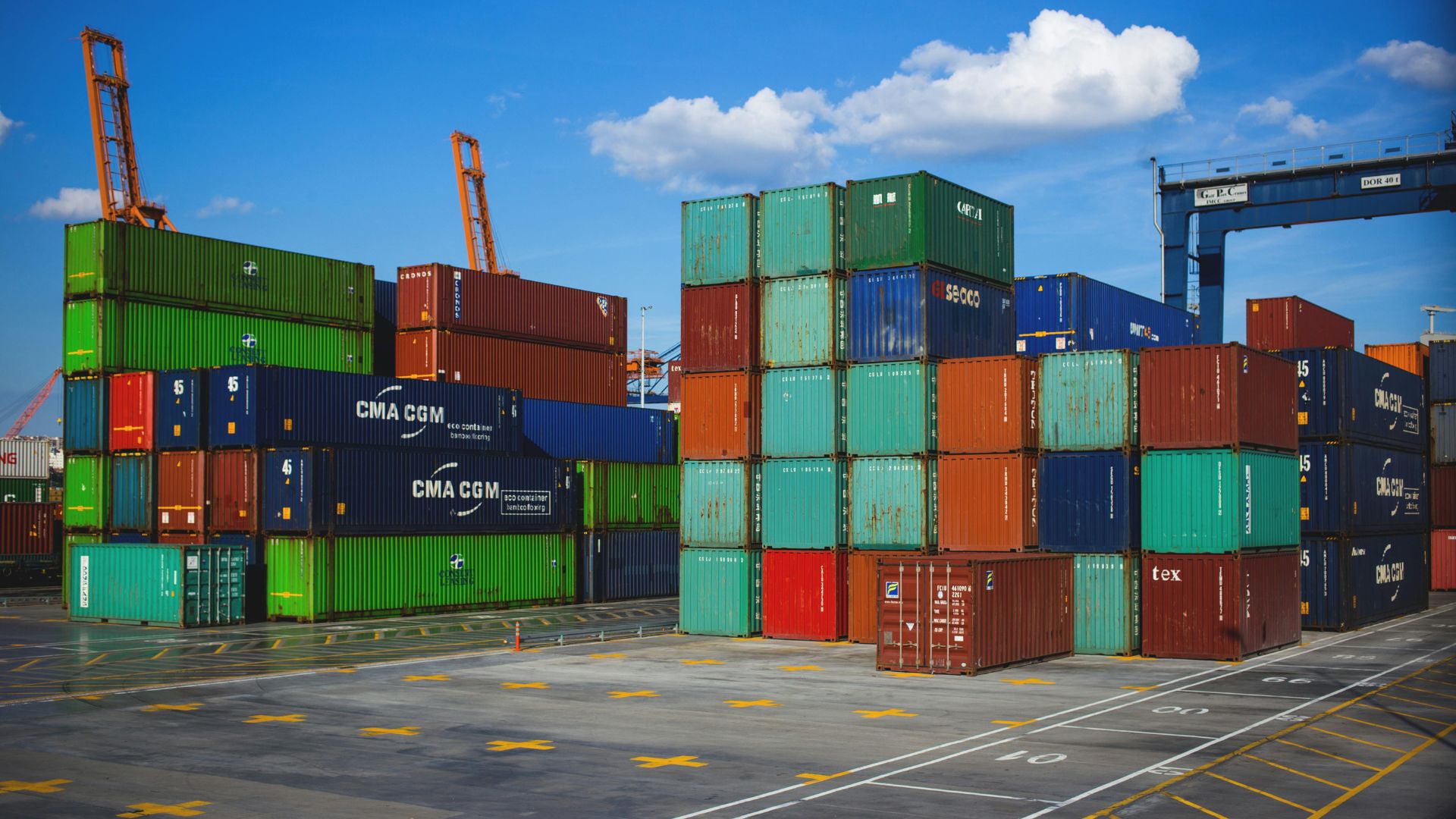
Your first produce shipment is where your entire importing system is built—or broken.
When you’re moving fresh fruits and vegetables from Mexico into Texas through Laredo, there is very little room for error. Unlike non-perishable goods, produce is governed by strict time sensitivity, multiple government agencies, and cold-chain requirements that must stay intact from farm to final delivery.
For first-time importers, the challenge is rarely just “getting the goods across the border.” The real challenge is coordination—between your supplier in Mexico, your customs broker, CBP, FDA, and USDA. One missing document or a mistimed filing can result in delays, inspections, spoilage, or rejected entry.
This importing produce from mexico to texas customs playbook breaks everything into a clear, operational system. You’ll learn exactly what documents you need, how FDA and USDA requirements work, what happens at Laredo, and how to build a repeatable process for future shipments.
Key Takeaways
- Produce importing is highly time-sensitive—small errors can cause major losses
- FDA, USDA, and CBP must all be aligned for smooth clearance
- A structured process is the difference between delays and predictable imports
What is a Customs Broker?
Question: What is a Customs Broker?
Answer: A customs broker is a licensed professional who handles import clearance with U.S. Customs and Border Protection (CBP). They ensure goods are properly classified, duties are calculated, and all regulatory requirements (FDA, USDA, etc.) are met so shipments can legally and efficiently enter the United States.
Why Your First Produce Shipment Is the Most Important One
Your first shipment sets the standard for everything that follows.
If your process is smooth, you build a repeatable system that can scale. If it fails, you inherit delays, unexpected costs, and supply chain instability from the start.
Most issues don’t come from transportation—they come from coordination gaps between supplier documentation, regulatory filings, and timing.
For new importers, the goal is not just to “get it across the border,” but to establish a clean, compliant workflow that can be repeated every time.
Once that system is in place, importing becomes predictable instead of stressful.
The Full Journey: How Produce Moves From Mexico to Texas
Understanding the full flow helps reduce confusion:
- Produce is harvested and packed by the supplier
- Export documentation is prepared in Mexico
- Shipment travels to the U.S. border
- Arrival at Laredo port for inspection and clearance
- FDA, USDA, and CBP review documents and cargo
- Shipment is released or held for inspection
- Cold-chain delivery to final destination
If you’re handling your first fresh produce import Laredo tx what documents needed, this flow is your foundation.
Step 1 — Documents You Must Get From Your Supplier
Before anything crosses the border, your supplier must provide accurate documentation.
Commercial Invoice and Packing List
This includes product description, quantity, weight, and value. CBP uses this to determine classification and duties.
Phytosanitary / Agricultural Certifications (if applicable)
Required for certain fruits and vegetables to confirm they meet plant health standards.
Country of Origin / USMCA Documentation (if applicable)
May reduce or eliminate duties if goods qualify under trade agreements.
Missing or incorrect documents at this stage are one of the top causes of delays.
Step 2 — FDA Prior Notice (Non-Negotiable Step)
FDA Prior Notice is mandatory for all food imports entering the U.S.
For FDA prior notice produce imports, this filing must be completed before the shipment arrives at the border. It informs the FDA of:
- Product details
- Arrival time
- Importer and consignee information
If Prior Notice is missing, incorrect, or late, your shipment will be automatically delayed or flagged.
Timing accuracy is critical here.
Step 3 — USDA/APHIS Requirements for Produce Shipments
USDA/APHIS focuses on plant health and agricultural risk.
Depending on the type of produce, requirements may include:
- Phytosanitary inspections
- Import permits
- Risk-based screening
- Treatment or certification requirements
High-risk produce may be inspected more frequently.
Step 4 — Customs Broker Role: What TQ Files and When
A licensed customs broker handles the official entry process with CBP.
At TQ Customs Brokerage Laredo TX, we manage:
- CBP entry filing
- HTS classification
- Coordination with FDA and USDA
- Timing of submission before arrival
- Communication with government agencies
We also ensure documentation consistency across all filings to prevent holds or delays.
Step 5 — Arrival at Laredo: What Actually Happens at the Port
Once your shipment arrives in Laredo, it enters a controlled review process.
CBP evaluates documentation and determines whether the shipment:
- Clears automatically
- Requires additional review
- Is referred to FDA or USDA
Laredo is one of the busiest agricultural entry points in the U.S., so accuracy matters.
Cold-chain integrity must also be maintained during this phase, especially for perishables.
Step 6 — Inspection Scenarios (What to Expect and Why)
Inspections are not always random—they are often triggered by risk factors.
Common scenarios include:
- Document verification checks
- FDA or USDA holds
- Physical inspection of cargo
- Sampling or testing of produce
For produce customs clearance Laredo FDA USDA first shipment, inspection is more likely because first-time import profiles are often reviewed more closely.
Delays usually occur due to missing or inconsistent documentation—not the inspection itself.
Step 7 — Release and Final Delivery Process
Once cleared:
- CBP issues release authorization
- Carrier is notified for pickup
- Shipment is transported under cold-chain conditions
- Final delivery is completed to warehouse or distributor
At this point, the import process is officially complete.
Realistic Timeline for First Produce Imports Through Laredo
Timelines depend on accuracy and inspection status:
- Same-day clearance (ideal case)
- 24–72 hours (most common)
- Longer delays if FDA/USDA inspections occur
Documentation quality directly impacts speed.
The Most Common First-Time Produce Import Mistakes
New importers typically struggle with:
- Missing FDA Prior Notice
- Incorrect supplier documentation
- Misunderstanding USDA requirements
- Poor timing coordination
- Weak cold-chain planning
These mistakes are preventable with proper setup.
Your First Shipment Checklist (End-to-End Playbook)
Before shipping, confirm:
- Supplier documents (invoice, packing list, certifications)
- FDA Prior Notice filed correctly
- USDA/APHIS requirements reviewed
- CBP entry prepared by broker
- HTS classification confirmed
- Transport and cold-chain plan in place
- Inspection readiness confirmed
This checklist ensures your shipment moves through Laredo with minimal friction.
How TQ Customs Brokerage Supports Your First Produce Shipment
At TQ Customs Brokerage Laredo TX, we specialize in first-time and high-risk produce imports.
We provide:
- Full coordination between FDA, USDA, and CBP
- Accurate and fast entry filings
- Experience with perishable cargo
- Reduced risk of inspection delays
- Structured processes for repeat imports
Book a First Produce Shipment Strategy Call
Before your first shipment moves, we help you:
- Map your exact import process
- Identify compliance risks
- Confirm required documentation
- Build a repeatable import system
This reduces risk and helps ensure your first shipment arrives on time and in good condition.
Final Takeaway: Your First Shipment Sets the Standard for Everything After
Your first produce shipment is not just a transaction—it’s the foundation of your entire import system. When you plan correctly, coordinate early, and follow compliance steps precisely, importing becomes predictable, fast, and scalable. Without that structure, delays and losses become recurring problems.
FAQs
What documents do I need for my first produce import?
You’ll need a commercial invoice, packing list, supplier certifications, and FDA Prior Notice.
What is FDA Prior Notice?
It’s a mandatory filing that alerts the FDA before food shipments arrive in the U.S.
How long does produce clearance take in Laredo?
Typically 24–72 hours, but can be same-day if no inspections occur.
Why do produce shipments get delayed?
Most delays come from missing paperwork or FDA/USDA holds.
Can a customs broker help with my first shipment?
Yes. A broker ensures compliance, files entries, and coordinates clearance.