


Duty Drawback Claims in Texas: How TQ Customs Recovers Your Overpaid Import Duties
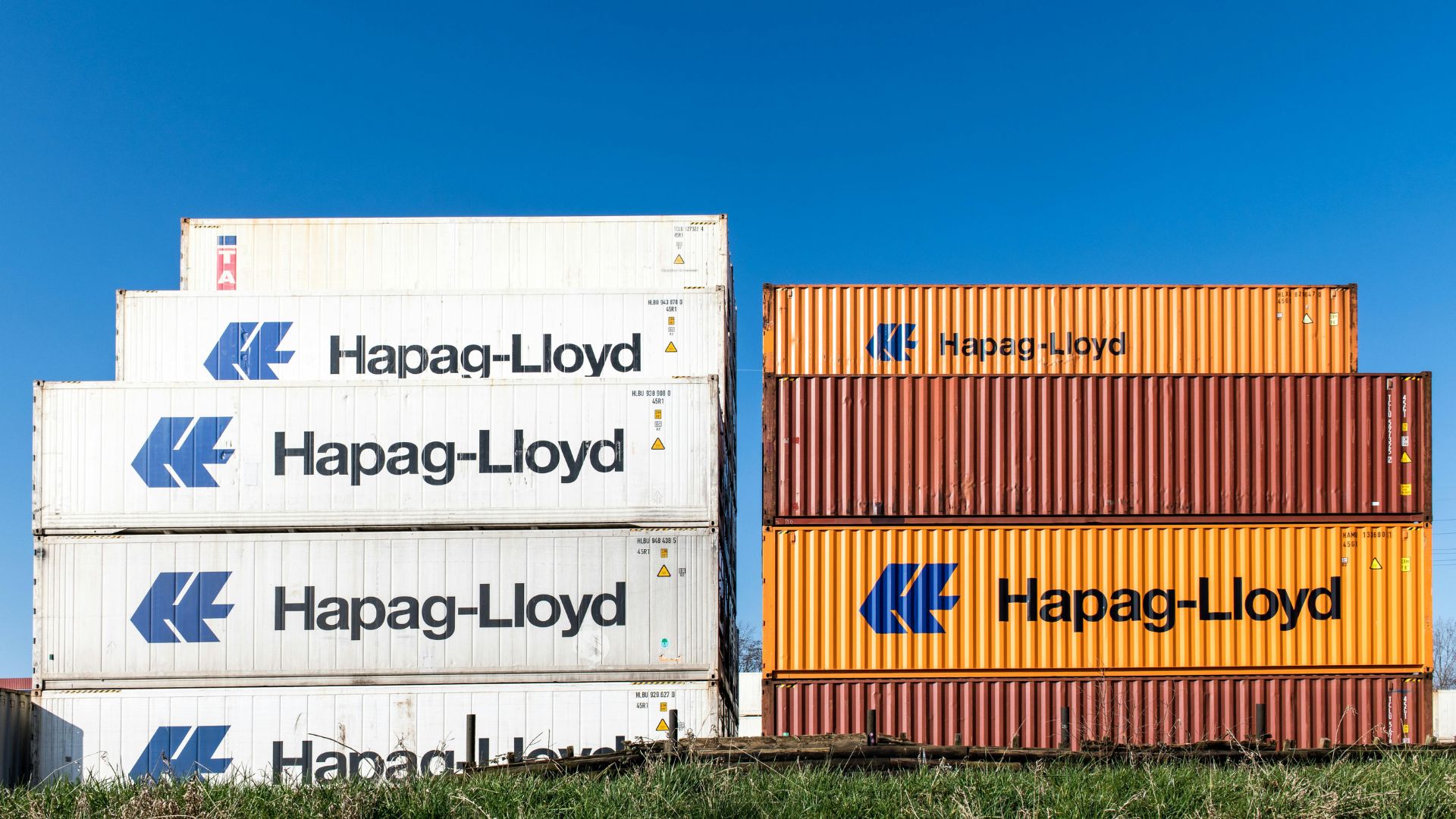
Most Texas importers don’t realize they’re sitting on recoverable cash tied up in past imports. If you’ve imported goods into the United States and later re-exported them, destroyed them, or never used them in domestic commerce, you may be eligible to reclaim a significant portion of the duties you originally paid.
That’s the purpose of the U.S. duty drawback program—and it’s exactly what TQ Customs Brokerage manages for importers, manufacturers, and exporters across the state.
For businesses dealing with high-volume imports, understanding duty drawback claims Texas opportunities can directly improve cash flow and reduce long-term landed costs.
Key Takeaways
- Texas importers may recover up to 99% of duties, taxes, and fees on qualifying imported goods.
- Eligibility often applies to unused goods, exported finished products, or destroyed inventory with proper CBP documentation.
- Working with a duty drawback specialist Texas businesses rely on helps prevent filing errors that commonly delay or reduce refunds.
What is Duty Drawback Claims?
Question: What is duty drawback claims?
Answer: Duty drawback claims refer to a refund program administered by U.S. Customs and Border Protection (CBP) that allows importers to recover duties, taxes, and fees paid on imported goods that are later exported, destroyed, or used in exported products.
In simple terms, if goods do not remain in the U.S. commercial market, the government may refund most of the import duties originally collected—provided the importer can document the import-to-export or destruction link.
This process is highly regulated and requires detailed record matching, which is why many companies work with professionals experienced in how to file duty drawback claim USA procedures to ensure compliance and maximize recovery.
Qualified for Duty Drawback
Duty drawback is a trade compliance mechanism that allows importers to recover up to 99% of duties paid on eligible goods.
In Texas, duty drawback claims Texas businesses most commonly qualify under three scenarios:
- Imported goods are later exported unused
- Imported materials are used in manufacturing and the finished goods are exported
- Imported goods are destroyed under CBP-approved supervision
Industries such as manufacturing, automotive supply chains, electronics, and cross-border trade operations frequently qualify. TQ Customs Brokerage reviews import and export activity to identify overlooked refund opportunities many businesses never realize exist.
The Three Types of Duty Drawback Claims
Understanding the claim type is essential because it determines documentation requirements and eligibility rules.
1. Unused Merchandise Drawback
Applies when imported goods are never used in the U.S. and are later exported or destroyed.
Common examples:
- Overstock inventory re-exported abroad
- Returned goods sent back to suppliers
- Rejected shipments never sold domestically
2. Manufacturing Drawback
Applies when imported materials are used to produce exported finished goods.
Examples include:
- Imported steel used in machinery exported overseas
- Electronic components assembled into devices shipped internationally
- Packaging materials used in exported consumer products
This category requires strict traceability between imported inputs and exported outputs.
3. Destroyed Merchandise Drawback
Applies when goods are destroyed instead of being sold or used, provided CBP documentation requirements are met.
Examples:
- Expired inventory
- Damaged or defective goods
- Non-compliant shipments requiring disposal
How Much Can Texas Importers Recover?
Most eligible importers recover:
- Up to 99% of duties paid
- Merchandise Processing Fees (MPF) in qualifying cases
- Some Harbor Maintenance Fees depending on shipment structure
For Texas-based importers, especially those operating in Laredo, Houston, and Dallas-Fort Worth logistics corridors, recovery amounts can scale from thousands to millions annually depending on import volume and export activity.
Claims can also be filed retroactively within the allowable CBP timeframe, meaning past shipments may still qualify for refunds.
The Duty Drawback Claims Process
Filing a drawback claim requires precise documentation and structured compliance steps:
1. Eligibility Review
Import and export records are analyzed to identify qualifying transactions.
2. Data Matching
Imported goods are matched to exported products or destruction records. This is often the most complex and failure-prone stage.
3. Documentation Preparation
CBP-required documents are compiled, including entry summaries, export records, and drawback schedules.
4. Claim Filing
Claims are submitted through CBP’s Automated Commercial Environment (ACE) system.
5. CBP Review and Response Handling
CBP may request additional documentation or clarification, which must be handled accurately to avoid delays.
6. Refund Issuance
Once approved, CBP issues the refund to the claimant.
Understanding how to file duty drawback claim USA requirements is critical because even small documentation errors can result in delayed or reduced refunds.
Why TQ Customs Brokerage Supports Texas Importers
TQ Customs Brokerage specializes in helping businesses recover duties while maintaining full CBP compliance.
Key strengths include:
- Deep experience in Texas cross-border trade flows, especially Mexico–U.S. logistics corridors
- High-volume entry and export record management
- Strong commodity-level understanding across industrial, automotive, and consumer supply chains
- Compliance-focused filing designed to withstand CBP audits
- Data-driven matching systems to identify missed refund opportunities
The focus is not only on filing claims, but ensuring importers recover all eligible funds under current U.S. trade regulations through structured duty drawback claims Texas strategies.
FAQs
1. Who is eligible for duty drawback in Texas?
Importers who bring goods into the U.S. and later export them, use them in exported products, or destroy them under CBP supervision may qualify. Eligibility depends on proper documentation of import and export linkage.
2. What documents are needed to support a drawback claim?
Typical documentation includes import entry summaries, export records, manufacturing records (if applicable), and proof of destruction when relevant. Accurate record matching is essential for approval.
3. Can manufacturers in Texas file duty drawback claims?
Yes. Manufacturers often qualify under manufacturing drawback when imported materials are incorporated into goods that are later exported internationally.
4. How far back can duty drawback claims be filed?
In most cases, claims can be filed within five years from the date of import entry. After this period, refunds are generally no longer recoverable.
5. Why do businesses use a duty drawback specialist in Texas?
A duty drawback specialist Texas businesses rely on helps ensure accurate data matching, compliance with CBP regulations, and maximization of refund value while reducing the risk of rejected or delayed claims.