


Textile and Apparel Imports Through Texas: Country of Origin Rules and Quota Requirements
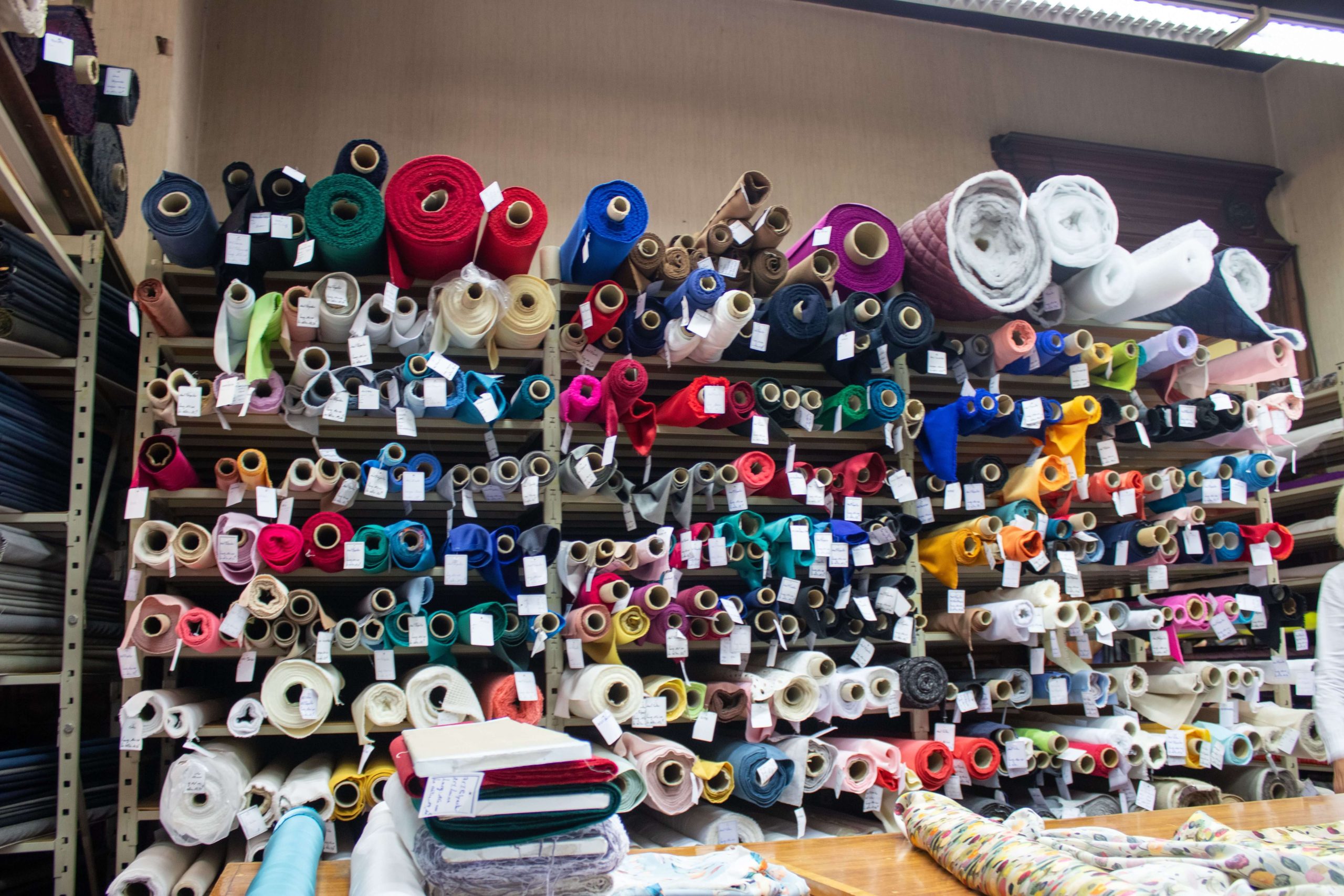
Apparel importers who’ve done this for a while know that textiles aren’t just “another commodity.” You don’t just slap an HTS code on a roll of fabric, print a commercial invoice, and call it a day. The origin question alone can unravel an entire shipment if it’s not handled right — and for products crossing into the U.S. through Texas, that pressure multiplies fast.
Port Laredo, which recorded a staggering $353.94 billion in total trade in 2025, handles a massive share of U.S.–Mexico textile flows. Port Houston, meanwhile, processes roughly 75% of Gulf Coast containerized cargo, with “Other Fabrics” and apparel accessories consistently ranking among its top imported commodities. These aren’t abstract statistics. They represent real shipments, real classification decisions, and real compliance exposure for clothing brands, fabric distributors, and garment manufacturers who need to get this right.
For textile imports, Texas customs, where a product is made, can be just as important as what it is.
Country of origin can determine duty treatment, trade agreement eligibility, whether a label is legally compliant, and how closely CBP scrutinizes your entry. And because apparel supply chains frequently hop across three or four countries before a finished garment reaches U.S. soil, the documentation burden is considerably heavier than most importers anticipate.
This guide breaks down how country of origin is determined for textiles, what the USMCA yarn-forward rule actually means in practice, when quota or visa requirements might still apply in 2026, and what proper documentation looks like at the point of entry through Texas.
Why Country of Origin Rules Are Especially Complex for Textiles

Most product categories rely on a relatively straightforward “substantial transformation” standard to determine origin. Textiles? Not quite that simple.
U.S. Customs and Border Protection applies textile-specific origin rules that go well beyond the general standard, and the reason comes down to how garments are actually made. A finished jacket might involve cotton grown in one country, spun into yarn somewhere else, woven into fabric in a third country, then cut and sewn into its final form in yet another. Each of those steps has potential origin implications, and CBP evaluates them with a level of granularity that catches a lot of importers off-guard.
The manufacturing journey for a typical textile import looks something like this:
- Raw fiber (cotton, polyester, wool) sourced from country A
- Spun into yarn in country B
- Woven or knitted into fabric in country C
- Cut, assembled, and finished into a garment in country D
Where exactly origin is “conferred” in that chain depends on the applicable trade rule — and that answer changes depending on whether you’re importing under USMCA, a different FTA, or no preferential program at all.
For apparel country of origin requirements in the U.S., CBP generally looks at where the fabric was formed or where the garment components were assembled, depending on the specific product category and applicable rule. This is why apparel imports through Laredo and other Texas ports require documentation that traces the production process — not just the final country of export. Vague invoices and incomplete bills of materials are where the delays start. I’ve seen classification hiccups from suppliers who list “Made in Mexico” without any supporting evidence of what actually happened in Mexico, and CBP doesn’t take that on faith.
The Yarn-Forward Rule Under USMCA Explained

If you’re importing garments from Mexico and claiming USMCA preferential duty treatment, you need to understand one rule more than almost any other: yarn-forward.
The yarn-forward rule requires that, to qualify for preferential tariff treatment under USMCA, a textile or apparel product must be made from yarn that originates within the USMCA region — meaning the U.S., Mexico, or Canada — and all subsequent production stages (yarn to fabric, fabric to finished garment) must also occur within that same region. It’s a chain-of-custody requirement for the entire textile production process, starting at the yarn stage.
Why does this exist? Largely to protect the textile industry and apparel country of origin requirements USA and incentivize regional manufacturing. The National Council of Textile Organizations has lobbied consistently for rules that prevent foreign-origin inputs from sneaking into products that claim North American trade benefits. Yarn-forward is the mechanism that enforces regional integrity at the fiber level.
Here’s the conceptual flow:
Yarn → Fabric → Garment
Under USMCA, each arrow in that chain should point to production within the U.S., Mexico, or Canada for the finished garment to qualify. If the yarn was spun in China, woven into fabric in Mexico, then cut and sewn in Monterrey, the garment likely does not qualify — even though final assembly happened in Mexico.
There are limited exceptions. Tariff Preference Levels (TPLs) allow some goods made with non-originating yarn or fabric to still receive preferential treatment, up to specific volume caps. These caps matter, and they fill up. There’s also a “short supply” provision that permits non-regional inputs when certain materials aren’t commercially available in the USMCA region in sufficient quantities.
Common misconception worth flagging: “Assembled in Mexico” does not automatically mean USMCA-eligible. The origin of the yarn and fabric matters enormously. Importers who overlook this end up paying MFN duty rates when they expected preferential ones — a costly surprise that happens more often than it should.
How to Determine Country of Origin for Multi-Country Garments

When a garment’s production spans multiple countries and no preferential trade program applies, CBP generally uses the substantial transformation standard to assign country of origin. For textiles and apparel, though, this standard is interpreted through a specific lens: the country where the fabric was formed, or where the cutting and sewing into a complete garment occurred, often carries significant weight depending on the product type.
Consider a hypothetical: fabric woven in Vietnam, cut into pattern pieces in Guatemala, then sewn into finished shirts in Honduras. What’s the country of origin? The answer isn’t obvious without knowing the exact product classification and applicable CBP guidance for that commodity. This is precisely the kind of situation where having a customs broker who knows apparel country of origin requirements — not just general trade rules — makes a tangible difference.
Supporting documentation becomes critical here. Manufacturing records, supplier declarations, bills of materials detailing fiber content and processing steps, and purchase orders that trace the input chain are all tools CBP may request during review. Importers who maintain thorough records can navigate a CBP inquiry relatively smoothly. Those who can’t produce documentation supporting their origin claim face delays, re-liquidation, and potentially penalties.
Trade compliance specialists, including those, consistently emphasize that the complexity of U.S. origin rules and labeling requirements is one of the biggest friction points for importers. The fix isn’t complicated in concept: know your supply chain at every stage, not just the final exporter. But executing that in practice requires supplier cooperation and a documentation discipline that many brands underestimate.
Quota and Visa Requirements for Textile Imports in 2026
The textile import quota of 2026 for textile imports has shifted significantly since the Multi-Fiber Arrangement era, but quota and visa requirements haven’t disappeared entirely. Certain categories, particularly those subject to Section 301 tariffs or other trade measures, carry additional compliance layers that importers must verify before a shipment moves.
Before any textile shipment departs for a Texas port of entry, importers should work through the following:
| Pre-Shipment Checkpoint | Why It Matters |
|---|---|
| Confirm HTS classification | Determines applicable duty rate and whether quotas apply |
| Verify country of origin documentation | Supports CBP review and trade program eligibility |
| Check current trade restrictions | 301 tariffs, forced labor findings, and TPL caps change regularly |
| Confirm admissibility documentation | Invoices, packing lists, certificates of origin must align |
The CBP Textile PTI Fact Sheet notes an average duty rate of 16% for textile and apparel imports — but that figure masks significant variation. Manmade fiber products can face duties exceeding 32%, and tariff exposure shifts based on origin, classification, and applicable trade measures in effect at time of entry.
Executive Order 14411, issued in June 2026, introduced stricter enforcement mechanisms on textile imports specifically. Forced labor compliance has become an especially sharp edge of that enforcement — CBP now scrutinizes supply chains more aggressively, and importers who can’t document clean sourcing face holds and potential seizure. Trade attorneys point out that textile compliance now spans CBP, the Consumer Product Safety Commission, and the FTC simultaneously, which is a lot of regulatory surface area for any one import team to manage alone.
Country of Origin Marking Requirements for Apparel

Labeling isn’t a finishing detail — it’s a CBP requirement with real enforcement teeth. Every imported garment must bear a permanent, legible country of origin marking that’s visible to the ultimate purchaser. “Ultimate purchaser” in this context typically means the consumer, which means the label needs to survive through retail.
| Marking Practice | Status |
|---|---|
| Permanent sewn label with country of origin | Required |
| Legible font, durable through normal use | Required |
| Country name spelled out fully (e.g., “Made in Mexico”) | Required |
| Abbreviations or codes only (e.g., “MX”) | Not acceptable |
| Label hidden inside a pocket or folded section | Non-compliant |
| Marking consistent with customs entry documents | Required |
Where importers run into trouble most often is inconsistency — the garment label says one country, the commercial invoice implies another, and the CBP entry reflects a third. That kind of misalignment triggers examination and can result in marking penalties under 19 U.S.C. § 1304. The FTC also has jurisdiction over fiber content and care labeling under the Textile Fiber Products Identification Act, which adds another layer on top of CBP’s origin marking rules.
Wool and fur products carry additional labeling requirements under the Wool Products Labeling Act and the Fur Products Labeling Act, respectively. These aren’t optional disclosures — they’re federal legislation with specific disclosure requirements that apply regardless of whether the product is imported or domestically manufactured.
How a Specialist Broker Helps You Navigate Textile COO Rules

Textiles are one of CBP’s designated Priority Trade Issues, which means enforcement is active, targeted, and increasingly sophisticated. Undervaluation, mislabeling, and illegal transshipment are the issues CBP focuses on most — and all three directly implicate the country-of-origin documentation that importers are responsible for providing.
Working with a customs broker who handles textile imports daily, particularly through Texas border crossings like Laredo, changes the compliance dynamic significantly. The difference between a generalist broker and a textile-focused one isn’t just experience — it’s the operational knowledge of how CBP’s textile enforcement branches actually function, what documentation reviewers look for, and which commodity categories attract closer scrutiny at any given time.
TQ Customs Brokerage handles textile and apparel imports through Laredo and the broader Texas corridor regularly. That means origin documentation review before the shipment moves, HTS classification validation against current tariff schedules, USMCA coordination when preferential treatment is being claimed, and communication with CBP on any pre-arrival inquiries. Import managers who try to manage this entirely in-house, without a broker who knows the specific nuances of textile entry, tend to discover the gaps at the worst possible time — when a container is sitting at the port and CBP is asking questions.
The practical edge comes from doing this before problems arise. Pre-advising tariff outcomes based on material composition, identifying whether a supplier’s documentation actually supports the claimed origin, and building a consistent process across shipments — these are the habits that keep textile imports moving without unnecessary friction.
Conclusion
Textile imports through Texas carry more compliance weight than most product categories, and the country-of-origin question sits at the center of almost every significant risk. Misclassification, incomplete documentation, and labeling inconsistencies don’t just cause delays — they create CBP examination patterns that follow an importer across future entries.
Understanding origin rules, the USMCA yarn-forward standard, and current quota or trade measure requirements before a shipment moves is considerably more efficient than resolving those issues after a container arrives at Laredo or Houston. The documentation required to support a textile entry isn’t complicated if it’s built into the sourcing process from the beginning. It becomes complicated when it’s assembled retroactively.
Importing apparel or textiles? TQ Customs Brokerage handles complex country-of-origin documentation for shipments moving through Texas — get a free consultation and get your next shipment cleared without the guesswork.
Frequently Asked Questions
What is the yarn-forward rule and how does it affect apparel imports from Mexico?
The yarn-forward rule under USMCA requires that textile and apparel products claiming preferential duty treatment must be produced from yarn that originates within the USMCA region — U.S., Mexico, or Canada — with all subsequent production stages also occurring regionally. If a garment is assembled in Mexico but uses fabric woven from Asian-origin yarn, it likely doesn’t qualify for USMCA benefits. Eligibility depends on tracing the entire production chain back to the yarn stage and supporting that with documentation from each supplier in the chain.
How do I determine the country of origin for garments made in multiple countries?
CBP evaluates textile-specific origin rules that differ from the general substantial transformation standard used in other industries. For apparel, the country where the fabric was formed or where the garment was cut and assembled often determines origin — but the exact answer depends on product classification and applicable guidance. Importers should maintain manufacturing records, supplier declarations, and bills of materials that document each production stage. CBP determines origin based on applicable regulations and the evidence presented at entry.
Does my textile import need a quota allocation or visa?
Not necessarily. Many textile imports no longer require a visa or quota allocation, but certain products subject to specific trade measures, country-specific restrictions, or Tariff Preference Level caps may have additional requirements. The answer depends on HTS classification, country of origin, and current trade restrictions — which can shift. Importers should verify current requirements with their customs broker before each shipment, rather than assuming prior experience applies to future entries.