


Bonded Warehouse vs. Direct Import: Which Option Is Right for Your Texas Business?
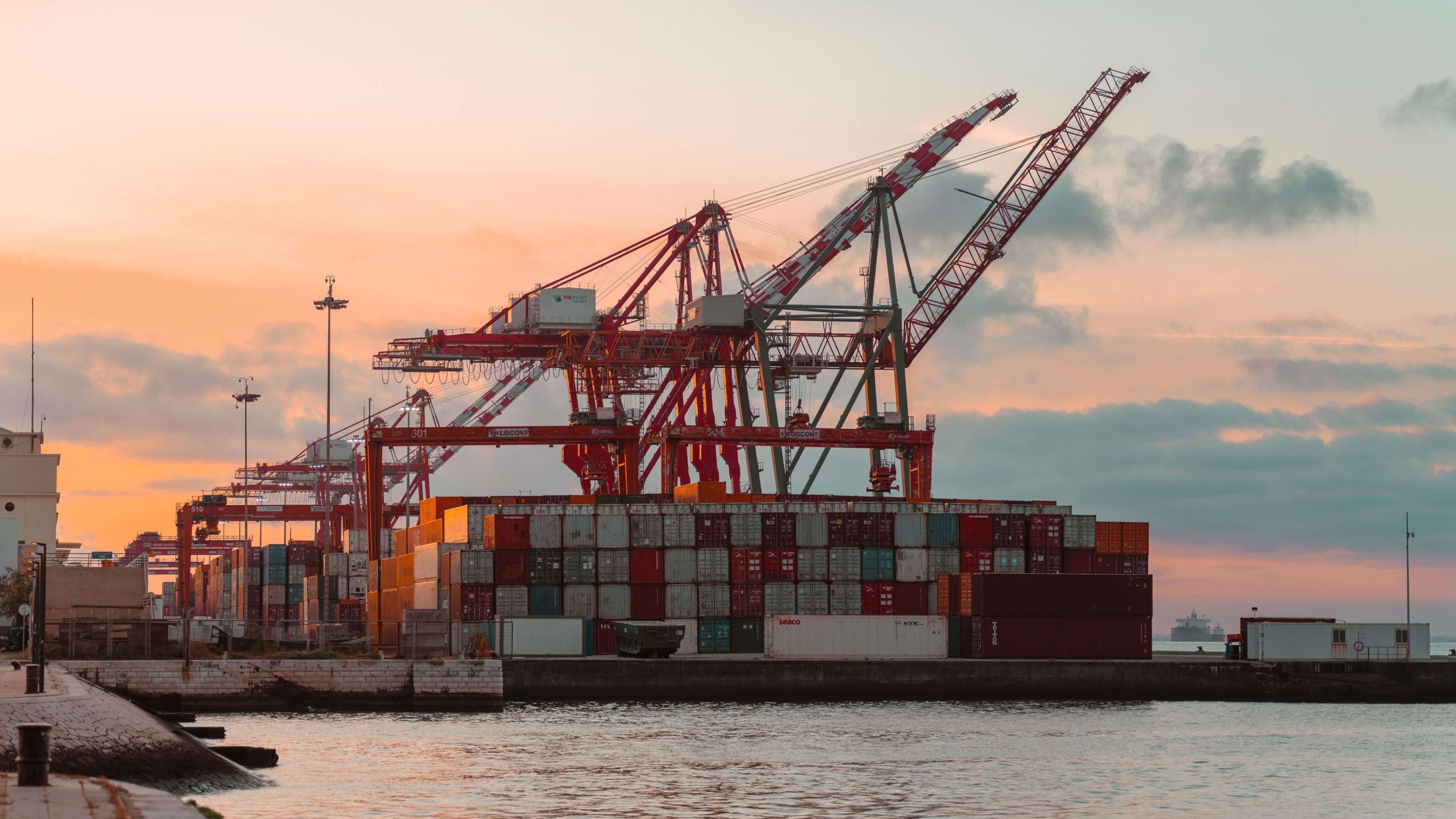
Texas importers operating through high-volume ports like Laredo constantly face a critical decision: pay import duties immediately under direct import, or defer those costs using a bonded warehouse structure. The choice directly impacts cash flow, inventory flexibility, and overall landed cost strategy.
A bonded warehouse Texas model allows duties to be delayed until goods enter U.S. commerce, while direct import requires immediate payment at the time of entry. Both structures are legal, widely used, and optimized for different business models.
In Laredo, TX—a major U.S.–Mexico trade gateway both systems are actively used by importers managing everything from fast-moving consumer goods to seasonal bulk inventory.
If you are optimizing your import structure, start with Texas customs brokerage services in Laredo to evaluate which model fits your supply chain.
This guide breaks down bonded warehouses, direct import, and Foreign Trade Zones (FTZs) so you can make a clear financial and operational decision.
Key Takeaways
- Bonded warehouses defer duty payments until goods enter U.S. commerce, improving short-term cash flow.
- Direct import requires immediate duty payment but offers simpler, faster processing.
- HTS classification and timing strategy directly impact total landed cost efficiency.
- Bonded warehouses are best for bulk, seasonal, or re-export-heavy inventory flows.
- FTZs offer broader operational flexibility, while bonded warehouses focus on storage and duty deferral.
What Is a Customs Bonded Warehouse?
Question: What Is a Customs Bonded Warehouse?
Answer: A customs bonded warehouse benefits is a secure storage facility regulated by U.S. Customs and Border Protection (CBP) where imported goods are stored without immediate payment of duties.
Under this system, imported merchandise remains under customs supervision until it is formally released into U.S. commerce. Duties are only paid when goods leave the warehouse and enter the domestic market.
Why Texas Importers Use Bonded Warehouses (Key Use Cases and Characteristics)
This structure is widely used by Texas importers for inventory control, especially in logistics hubs near Laredo, TX, where cross-border shipments arrive in bulk.
Key characteristics of bonded warehouses include:
- CBP-supervised storage environment
- No duty payment until release into U.S. consumption
- Ability to re-export goods without paying U.S. duties
- Controlled handling of imported inventory
Texas importers use bonded warehouses for:
- Bulk shipments waiting for distribution timing
- Seasonal inventory that does not sell immediately
- Cross-border consolidation near Laredo logistics corridors
- Goods intended for re-export to Mexico or other markets
Unlike standard storage facilities, bonded warehouses operate under customs control. That means goods cannot freely enter U.S. commerce until cleared.
For compliance guidance, see Import compliance support in Laredo, TX via your customs brokerage services page..
How Duty Deferral Works in a Bonded Warehouse
The primary advantage of a bonded warehouse is deferred duty payment. Importers do not pay customs duties at the time of entry. Instead, payment is triggered only when goods are withdrawn for domestic consumption.
If goods are re-exported, no U.S. duty is paid at all.
This creates a powerful cash flow advantage for Texas importers managing large or unpredictable inventory volumes.
How the system works:
- Goods arrive in the U.S. and are placed in a bonded warehouse
- CBP maintains oversight while goods remain in storage
- Duties are suspended during storage period
- Duties are paid only when goods are released domestically
- Exported goods bypass duty payment entirely
This structure benefits importers who need time to:
- Match inventory to demand cycles
- Delay financial exposure on large shipments
- Adjust pricing strategies before market release
- Consolidate cross-border distribution in Laredo, TX
However, bonded storage also requires strict compliance control. CBP enforces time limits and inventory tracking requirements, and mismanagement can result in penalties or forced liquidation of duties.
Importers evaluating cost structures often pair this analysis with duty optimization strategies to understand total financial impact.
Bonded Warehouse vs. Direct Import: The Cost-Benefit Comparison
The decision between bonded warehouse vs foreign trade zone in Texas comes down to timing, cash flow, and operational flexibility.
Direct import requires immediate duty payment when goods enter the U.S. Bonded warehouses delay that payment until goods are released.
Here is the direct comparison:
| Factor | Bonded Warehouse | Direct Import |
| Duty Payment Timing | Deferred until release | Paid at entry |
| Cash Flow Impact | Preserved short-term liquidity | Immediate cost outflow |
| Storage Requirements | Required CBP-supervised facility | Standard warehousing |
| Administrative Complexity | Higher (CBP tracking) | Lower (standard clearance) |
| Inventory Flexibility | High (can re-export) | Limited once cleared |
| Risk Exposure | Inventory compliance risk | Lower compliance complexity |
When Direct Import Wins
- Fast-moving consumer goods
- Predictable demand cycles
- Low-margin products needing quick turnover
- Businesses prioritizing simplicity over optimization
When Bonded Warehouse Wins
- Bulk shipments with delayed sales cycles
- Seasonal inventory (fashion, agriculture, retail spikes)
- Importers consolidating cross-border flows through Laredo
- Companies managing cash flow constraints
In Texas logistics corridors, bonded warehouses are often used to delay duty exposure during peak import seasons, while direct import is preferred for immediate distribution pipelines.
For duty modeling and comparison, use customs entry and duty calculation services.
Bonded Warehouse vs. Foreign Trade Zone: Which Is Better for Texas Importers?
A Foreign Trade Zone (FTZ) expands beyond storage. It allows manufacturing, processing, and value-added activities before goods formally enter U.S. commerce.
By contrast, a bonded warehouse is strictly for storage under customs control.
Key differences:
- Duty timing: Both defer duties, but FTZs can reduce or eliminate duties based on final product classification
- Operations: FTZs allow assembly, processing, and manufacturing; bonded warehouses do not
- Setup complexity: FTZs require federal approval and structured zone designation
- Cost structure: FTZs have higher setup but broader long-term savings potential
- Geographic use in Texas: FTZs cluster near industrial hubs; bonded warehouses are common in logistics corridors like Laredo
When FTZ is better:
- Manufacturing or assembly operations
- High-volume import transformation
- Re-export-heavy business models
When bonded warehouse is better:
- Simple storage and timing delay needs
- Importers focused on distribution, not processing
- Businesses operating near border entry points like Laredo, TX
Many Texas importers use both systems depending on product flow complexity.
For advanced structuring, explore FTZ and customs consulting.
Who Benefits Most From a Bonded Warehouse in Texas?
Bonded warehouses are not ideal for every importer. They are designed for specific operational and financial profiles.
The strongest use cases include:
- High-volume importers managing bulk shipments
- Seasonal businesses with uneven sales cycles
- Importers with delayed or uncertain demand forecasting
- Companies actively re-exporting goods outside the U.S.
- Texas importers using Laredo as a consolidation and distribution hub
- Businesses needing to preserve short-term cash flow
In Laredo, TX, bonded warehouses are especially effective for importers managing cross-border freight consolidation before final distribution into U.S. markets.
Companies with tight liquidity also use bonded structures to delay duty payment until revenue is generated from sales, improving working capital efficiency.
For structured evaluation, see customs brokerage services in Laredo.
How TQ Customs Helps Texas Importers Evaluate Bonded Warehouse Options
TQ Customs Brokerage helps importers determine whether bonded warehouses, direct import, or FTZ structures deliver the best financial outcome.
The evaluation focuses on:
- Duty timing vs cash flow impact
- Inventory turnover cycles
- Laredo, TX cross-border trade flow optimization
- Total landed cost comparison across structures
- Risk exposure under CBP oversight
Instead of a one-size-fits-all recommendation, each import structure is evaluated based on shipment volume, product type, and distribution timing.
Texas importers often discover that hybrid strategies combining bonded storage for bulk shipments and direct import for fast-moving SKUs produce the best overall efficiency.
For evaluation or setup support, use the contact page.
Frequently Asked Questions
1. How long can goods stay in a US customs bonded warehouse?
Goods can generally remain in a customs bonded warehouse for up to five years under CBP oversight. During this time, duties are deferred until the goods are either entered into U.S. commerce or exported. This allows Texas importers, especially those operating through Laredo, TX, to manage inventory timing and cash flow more efficiently.
2. What are the tax advantages of using a bonded warehouse in Texas?
The main advantage is duty deferral. Importers do not pay customs duties until goods leave the bonded warehouse for U.S. consumption. If goods are exported instead of sold domestically, no duty is paid at all. This structure improves liquidity and reduces upfront cost pressure for importers managing shipments through Laredo, TX.
3. What is the difference between a bonded warehouse and a foreign trade zone?
A bonded warehouse is primarily used for storing imported goods under CBP control with deferred duty payment. A Foreign Trade Zone (FTZ) allows broader activities such as assembly, manufacturing, and processing before goods enter U.S. commerce. FTZs offer more operational flexibility, while bonded warehouses are simpler and focused on storage and duty deferral.
4. When does it make more sense to choose direct import instead of a bonded warehouse?
Direct import is better when goods move quickly through your supply chain and are sold immediately after arrival. It is also preferred when import volumes are low or when businesses want simpler customs processing without storage requirements. In these cases, paying duties upfront is more efficient than managing bonded warehouse logistics.
5. Can bonded warehouses help improve cash flow for Texas importers?
Yes. Bonded warehouses improve cash flow by delaying duty payments until goods are released into U.S. commerce. This allows importers to hold inventory without immediate financial burden. For Texas businesses with seasonal demand or large shipments through Laredo, TX, this structure helps align duty payments with actual sales revenue.