


Common Mistakes First-Time Texas Importers Make and How a Customs Broker in Texas Can Help Avoid Them
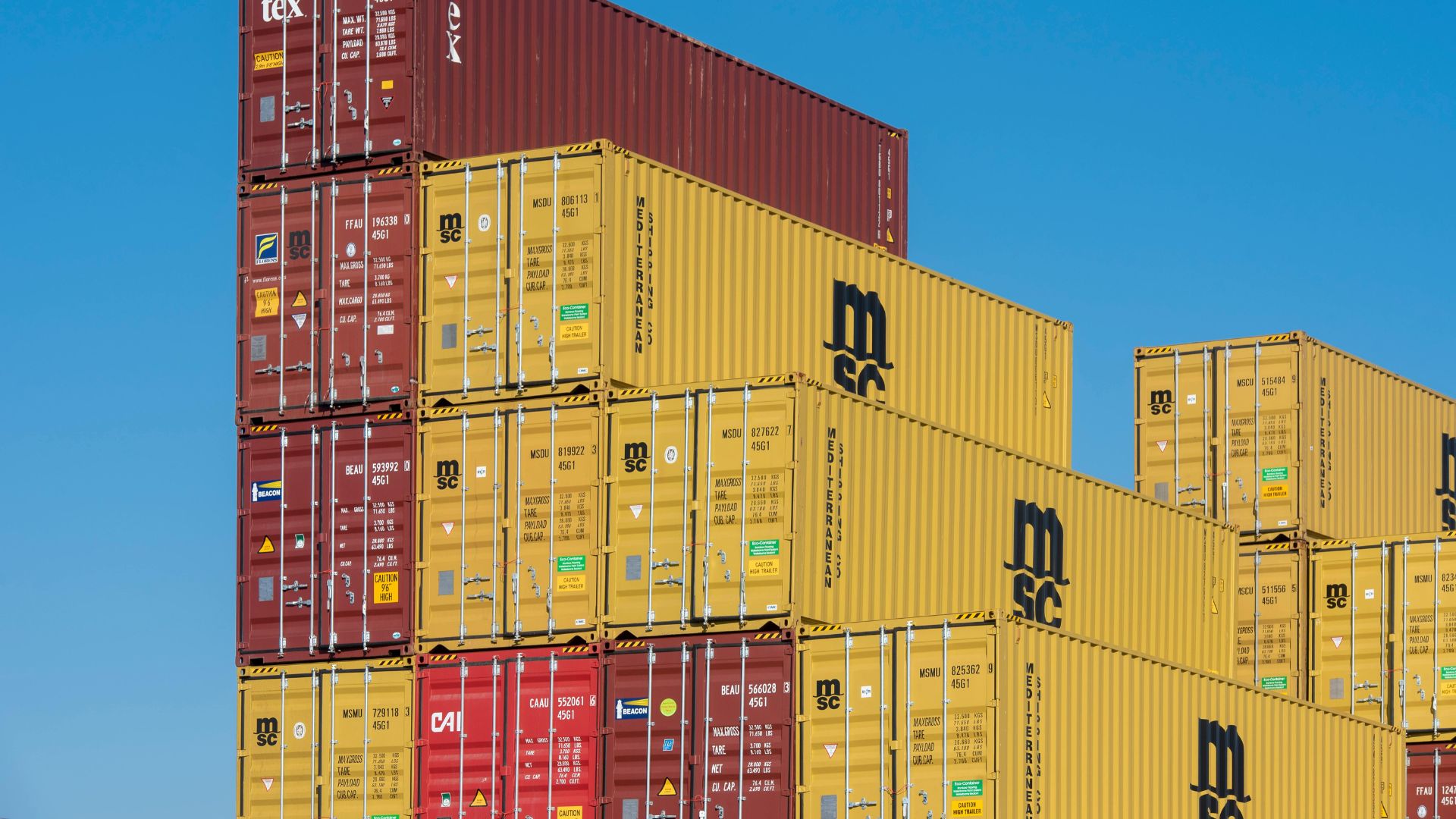
If you’re importing into the U.S. through Texas for the first time, you’re not alone—and you’re also not expected to know everything on day one.
Every week, first-time importers run into delays, unexpected exams, and compliance issues that could have been avoided with a little earlier preparation. Most of these problems are not caused by bad intent. They come from assumptions, missing information, or relying on the wrong people to handle critical compliance details.
Texas is one of the busiest trade corridors in the country. Shipments moving through hubs such as United States Customs and Border Protection enforcement areas around the Port of Houston, the land border in Laredo, and major air gateways like Dallas/Fort Worth International Airport are reviewed every day at a massive volume. Laredo, Texas, is the busiest inland port in the United States, processing more than 50% of all U.S.–Mexico truck crossings.
That high volume means two things:
- mistakes are easy to make, and
- mistakes are discovered very quickly.
The World Trade Bridge is the largest customs port in Laredo, Texas, processing thousands of trucks daily and serving as a critical gateway for cross-border trade.
This guide walks through the most common customs mistakes first-time Texas importers make, explains what actually goes wrong behind the scenes, and shows you how to avoid problems before your shipment ever leaves the supplier.
You’ll also see where a customs broker Texas specialist can help reduce risk—without turning this into a sales pitch.
Key Takeaways
- Most first-time import mistakes are preventable. The biggest issues—HS code misclassification, undervaluation, and missing filings—usually happen before your shipment even leaves the supplier.
- Texas trade corridors leave little room for error. High-volume ports and land borders move fast, so late corrections often mean delays, exams, or added costs.
- Working with a customs broker Texas specialist helps reduce risk. Early document review and correct filing are far more effective than fixing problems after arrival.
What is U.S Customs and Border Protection?
Question: What is U.S Customs and Border Protection (CBP)?
Answer: U.S Customs and Border Protection (CBP) is the federal agency that controls and monitors everything entering the United States. It reviews import documents, decides whether shipments can be released, assesses duties and taxes, and enforces trade, safety, and import regulations.
CBP’s legal relationship is always with the Importer of Record—not with freight forwarders or customs brokers.
Why First-Time Importers Are More Likely to Run Into Customs Problems
Most first-time import problems start long before the cargo reaches Texas.
The U.S. import system is document-driven and responsibility-driven. While freight forwarders move cargo and suppliers prepare goods, the legal responsibility always belongs to the importer of record.Customs brokers in Texas are essential for ensuring compliance with U.S. Customs regulations and can help your business navigate the complex requirements of cross-border trade.
Here is where new importers often struggle:
- U.S. customs rules are far more detailed than people expect.
- Many requirements apply before the shipment departs the foreign port.
- Small data errors can trigger holds, exams, or re-filings.
- Texas land borders operate at speed, leaving very little margin for correction.
Another common issue is over-reliance on third parties.
Suppliers may provide HS codes. Freight forwarders may help with paperwork. But neither of them carries legal liability for your entry.
First-time importers also tend to underestimate how interconnected customs data is. If one number, value, or description doesn’t match across documents, it can create what Customs considers an import compliance error.
The result is frustration, confusion, and delays that feel sudden—but were actually created upstream.
Mistake #1 – Using the Wrong Tariff (HS) Classification
HS code misclassification is one of the most common and expensive errors for new importers.
Why this matters
The tariff classification determines:
- duty rates
- admissibility rules
- eligibility for special programs
- targeting and inspection risk
What importers think vs. what Customs expects
What importers think
“My supplier already gave me an HS code, so I should be fine.”
What Customs expects
The importer of record must ensure the classification is correct for the U.S. tariff schedule—based on product composition, use, and legal interpretation.
Why “close enough” classifications cause problems
Products that look similar can fall under different headings with different duty rates and regulatory requirements. Guessing or copying a competitor’s code often leads to:
- Incorrect duty payments
- entry corrections
- post-entry audits
- penalty exposure
This is exactly what people mean when they refer to hs code misclassification.
Why this happens
- Product descriptions are vague.
- Components are not fully disclosed.
- Function or end-use is misunderstood.
How to avoid it
- Classify products before booking shipment.
- Request full material and use specifications from your supplier.
- Do not rely solely on foreign tariff codes.
- When in doubt, obtain classification support before filing.
Mistake #2 – Undervaluing Goods to Reduce Duties
Another extremely common mistake is undervaluing imports.
Many first-time importers assume the customs value is simply:
“Whatever I paid on the invoice.”
In reality, U.S. Customs requires the full transaction value, including certain additions when applicable.
Why undervaluation is a red flag
Undervaluing imports is one of the easiest patterns for Customs to detect. It frequently triggers:
- document requests
- cargo examinations
- formal value reviews
- fines and penalties
This issue is often associated with undervaluing imports even when the mistake is unintentional.
Why this happens
- Tooling or molds were paid separately.
- Related-party pricing is misunderstood.
- Assists (materials provided by the buyer) are ignored.
How to avoid it
- Declare the full transaction value.
- Understand when assists must be added.
- Review related-party transactions carefully.
- Make sure commercial invoices reflect real payment terms.
Being accurate is far less risky than trying to minimize duty exposure.
Mistake #3 – Missing or Incorrect Country-of-Origin Information
The country of origin is not the same as the country where your shipment ships from.
This distinction causes constant confusion for first-time importers.
Why this matters
Country of origin affects:
- duty rates,
- trade program eligibility,
- marking requirements
- admissibility rules
Problems are especially common when sourcing from Mexico or when products involve multiple manufacturing stages in different countries.
Why this happens
- Suppliers list the country of export instead of origin.
- Assembly operations are assumed to determine the origin.
- Certificates are issued without reviewing U.S. origin rules.
How to avoid it
- Confirm how origin is determined for your product type.
- Make sure documents match physical country-of-origin markings.
- Review origin early—before labeling or packaging is finalized.
Mistake #4 – Late or Incorrect Customs Filings
Timing is just as important as accuracy.
Late or missing ISF (10+2)
For ocean shipments, an Importer Security Filing (ISF) must be submitted before the cargo is loaded at the foreign port.
Missing or late filings can result in:
- monetary penalties
- automatic targeting
- higher inspection rates
Incorrect entry data
Even when filings are submitted on time, incorrect data creates major friction.
Common issues include:
- mismatched invoice and packing list quantities
- inconsistent product descriptions
- Incorrect manufacturer or seller details
When information does not match across systems, Customs often requires corrections after arrival, which slows everything down and frequently causes holds.
This category of mistakes is a major source of ongoing import compliance errors.
How to avoid it
- Prepare documentation before the cargo departs.
- Confirm that all documents align.
- Review entry data prior to submission whenever possible.
Mistake #5 – Not Having a Customs Bond When One Is Required
Many first-time importers discover the bond requirement only after their cargo arrives.
What is a customs bond?
A customs bond is a financial guarantee to the U.S. government that:
- duties will be paid, and
- Regulations will be followed.
When is a bond required?
A bond is mandatory for:
- formal entries
- commercial shipments above the informal threshold
- certain regulated products
Without an active bond, your shipment cannot legally clear.
Why this happens
- Importers assume the carrier or forwarder provides the bond.
- The difference between single-entry and continuous bonds is unclear.
How to avoid it
- Secure a bond before your first shipment departs.
- Understand whether a single-entry or continuous bond fits your volume.
This single oversight can stop clearance entirely.
Mistake #6 – Assuming Texas-Specific Issues Don’t Matter
Customs regulations are federal. However, Texas trade corridors introduce additional operational and partner-agency complexities that first-time importers often underestimate.
Texas ports and border crossings handle enormous daily volumes. That alone increases scrutiny and targeting.
Another common point of confusion is the role of brokers.
Customs brokers are federally licensed, not state licensed. However, Texas trade frequently involves:
- agricultural agency coordination
- partner-government agency reviews
- export certifications tied to cross-border operations
Many customs brokers in Texas utilize advanced technology to enhance the customs clearance process, ensuring operations run efficiently and in full compliance with regulations. Customs brokers are required for commercial imports to handle documentation, duties, and compliance, making their operational expertise essential for smooth cross-border trade.
Land borders, especially around Laredo, operate under intense time pressure.
This creates two risks:
- Documentation must be correct before arrival
- Mistakes are harder to fix once the truck is in line
Why this happens
- Importers assume the same processes apply everywhere.
- Border-specific operational realities are not considered.
- Broker roles are misunderstood.
How to avoid it
- Work with service providers experienced in Texas trade lanes
- Plan documentation earlier for land border shipments.
- Understand that high-volume corridors demand higher preparation.
How a Customs Broker Helps First-Time Texas Importers Avoid These Mistakes
A customs broker does not eliminate your legal responsibility—but they help reduce risk by managing the technical and procedural parts of the clearance process. Customs brokerage is a specialized service that provides comprehensive solutions for customs clearance, compliance, and cross-border trade, helping clients navigate complex regulations and optimize their import operations.
A qualified customs broker Texas professional typically supports first-time importers in several practical ways:
- Ensuring all necessary documentation is correctly filed for smooth customs clearance is essential to avoid costly delays or penalties.
- Providing expert guidance to help businesses optimize their supply chain and improve efficiency in cross-border trade.
- Maintaining compliance with U.S. Customs and Border Protection (CBP) regulations to help clients avoid fines and reduce the risk of shipment delays or penalties due to non-compliance.
- Helping recover refunds from U.S. Customs and Border Protection (CBP) for clients when eligible.
- Streamlining the importation process to achieve cost savings and reduce delays.
- Offering technology-driven services, such as digital entry filing and real-time tracking, to simplify customs clearance and reduce errors.
- Delivering clear communication and regular updates, which are vital for effective customs clearance.
- Providing access to warehouse services near key locations like Laredo, TX, to facilitate efficient cross-border operations.
- Specializing in specific industries, such as electronics, and offering tailored services for those clients.
The best customs broker is one who offers transparency, clear communication, and tailored services for clients. When you find a broker, compare their response times, technological capabilities, and experience with your product category to ensure you are working with the right company and team for your business goals. Compliance expertise is crucial to avoid costly delays or penalties, and working with an experienced customs broker can help ensure your goods clear quickly and stay compliant.
Customs brokers often specialize in certain industries and offer warehouse solutions at strategic locations like Laredo, TX, supporting seamless cross-border logistics. Their goal is to make your import-export process worry-free, reliable, and efficient.
If you need more information or personalized support, contact our company today. Our team is ready to assist clients at our convenient location in Laredo, TX—use our map for easy access and let us help you achieve your business goals.
Pre-review and compliance checks
Before filing, brokers review:
- product descriptions
- tariff classifications
- valuation structure
- country-of-origin data
This early review helps catch errors before they turn into holds or penalties.
Filing accuracy and timing control
Brokers manage:
- ISF filings when required
- entry submission deadlines
- data consistency across systems
This directly reduces filing-related mistakes that commonly affect first-time importers.
Acting as a buffer with Customs
When questions arise, brokers:
- Respond to Customs inquiries
- Submit document corrections
- coordinate exams and releases
This reduces confusion for importers who are unfamiliar with enforcement processes.
Why Texas experience matters
Texas trade corridors—especially land borders—operate differently from major seaports.
A broker experienced with Texas operations understands:
- border scheduling constraints
- agency coordination requirements
- port-specific operational practices
For companies shipping by truck from Mexico, working with a customs broker Laredo specialist is often critical because Laredo is the primary gateway for U.S.–Mexico commercial trade.
Most Customs Mistakes Are Preventable
Most first-time customs problems are not caused by bad decisions.
They are caused by assumptions.
Wrong classifications, undervaluation, origin mistakes, missing filings, and bond oversights all happen because new importers do not yet know where the real risk points are.
Preparation always beats reaction.
Learning from common customs mistakes before your first shipment moves through Texas can save you time, money, and unnecessary stress.
If you are preparing for your first import, consider speaking with a customs broker Texas specialist before your cargo ships—not after it arrives.
FAQs
Do I legally need a customs broker in Texas to import?
No. A broker is not legally required, but many first-time importers use a customs broker in Laredo, Texas, to avoid common filing, classification, and timing mistakes.
Who is responsible if something is wrong with my customs entry?
You are. The importer of record is legally responsible for the accuracy of the entry submitted to United States Customs and Border Protection, even if a broker or forwarder prepares the paperwork.
What is the most common mistake first-time Texas importers make?
Using the wrong HS code. HS code misclassification affects duties, admissibility, and inspection risk, and is one of the most frequent causes of clearance delays.
Is undervaluing goods ever allowed to reduce duties?
No. You must declare the full customs value based on the transaction and applicable additions. Undervaluation can lead to exams, penalties, and audits.
Why does shipping through Texas—especially land borders—require extra planning?
Texas ports and crossings handle extremely high volumes. At busy gateways like Laredo, late filings, missing bonds, or incorrect data are much harder to fix once a shipment arrives.