


Customs Broker Houston TX: TQ Customs Brokerage Services at the Port of Houston
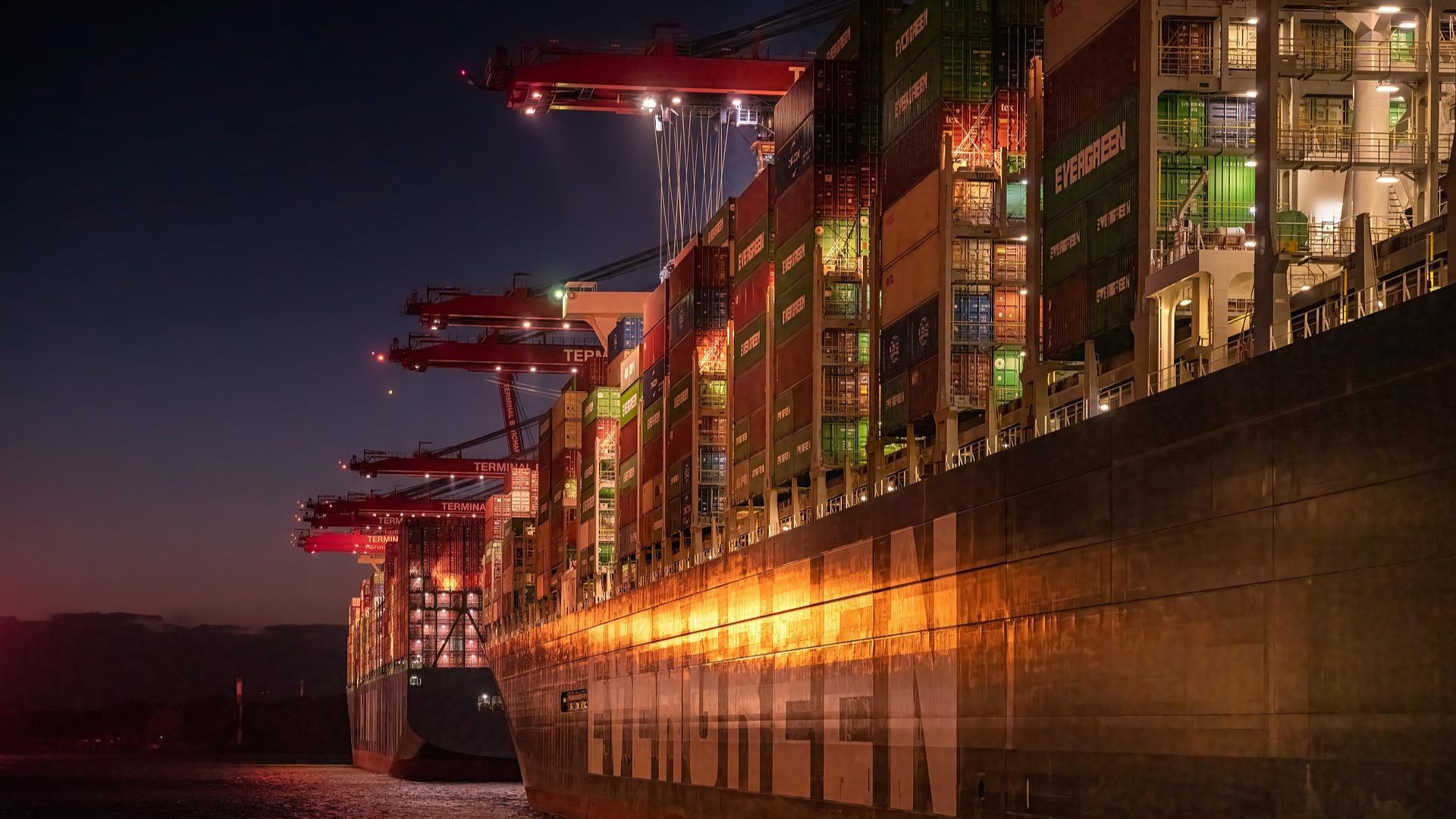
TQ Customs Brokerage provides licensed, end-to-end customs clearance support for importers moving cargo through the Port of Houston. As one of the busiest maritime gateways in the United States, Houston demands precise documentation, fast coordination with U.S. Customs and Border Protection (CBP), and experienced brokerage execution to avoid costly delays.
For importers already working with TQ Customs Brokerage, this Houston service extension ensures seamless coverage across major Texas ports, including Laredo and key inland freight corridors.
TQ Customs Brokerage handles ISF filings, ocean freight entries, customs documentation, and port release coordination for Houston importers who need speed, compliance, and consistency. This guide explains how customs clearance works at the Port of Houston and how TQ Customs supports importers from vessel arrival to final cargo release.
Key Takeaways
- The Port of Houston is a high-volume international gateway requiring precise documentation and experienced brokerage support.
- A licensed customs broker Houston is essential for managing CBP filings, ISF submissions, and regulatory compliance.
- TQ Customs Brokerage provides integrated Houston and Texas-wide coverage for both ocean freight and land-border imports, ensuring consistent compliance across all shipment types.
What is a Customs Broker?
Question: What is a customs broker?
Answer: A customs broker is a licensed professional or firm authorized by U.S. Customs and Border Protection (CBP) to act on behalf of importers. Their primary role is to ensure imported goods comply with all U.S. laws and regulations before entering the country.
A customs broker typically:
- Files import documentation with CBP
- Classifies goods under tariff codes (HTS)
- Calculates duties and taxes
- Coordinates inspections with government agencies
- Ensures compliance with import regulations
In simple terms, a customs broker acts as the bridge between importers and customs authorities, helping shipments move legally and efficiently across borders and ports.
Port of Houston: The Gateway for Texas Sea Freight Imports
The Port of Houston is one of the most important import hubs in the United States, handling massive volumes of containerized cargo, petrochemicals, machinery, industrial goods, consumer products, and food-related imports. Unlike inland ports, Houston operates as a deepwater seaport with direct international vessel arrivals, making it a primary entry point for ocean freight into Texas and the broader Southern U.S. supply chain.
Importers using the Port of Houston must comply with CBP requirements and strict carrier documentation timelines. These include:
- Importer Security Filing (ISF) before vessel arrival
- Accurate commercial invoice validation
- Bill of lading matching
- Terminal coordination for container release
TQ Customs Brokerage manages these steps daily, ensuring shipments move efficiently from vessel discharge to customs release. With deep familiarity in Port of Houston customs clearance procedures, we help reduce friction points that often delay cargo—especially for first-time importers or companies expanding from land-border trade into ocean freight logistics.
What a Licensed Customs Broker Does at the Port of Houston
A licensed customs broker Houston TX acts as the compliance intermediary between importers and CBP. At a major seaport like Houston, this role is critical due to the complexity of ocean freight documentation and multi-agency oversight.
TQ Customs Brokerage responsibilities include:
- Filing customs entries (CBP Form 3461 and 7501)
- Submitting ISF filings prior to vessel arrival
- Classifying goods under the Harmonized Tariff Schedule (HTS)
- Calculating duties, taxes, and fees
- Coordinating CBP inspections or exams
- Managing PGA requirements (FDA, USDA, EPA when applicable)
- Facilitating container release from terminal operators
Without a licensed broker, importers risk delays, demurrage charges, compliance issues, and cargo holds that can last days or even weeks.
TQ Customs Brokerage ensures every compliance step is completed accurately and on time, minimizing disruption at port entry.
How TQ Customs Serves Houston-Area Importers
TQ Customs Brokerage provides full-service Houston customs brokerage services designed for importers handling ocean freight shipments through the Port of Houston.
Whether you are importing retail containers, industrial equipment, or regulated commodities, TQ Customs coordinates every stage of clearance.
Unlike general brokers operating remotely, TQ Customs actively manages Houston port workflows, including communication with carriers, terminals, and CBP officers. This hands-on structure allows faster resolution when documentation issues or inspections occur.
Key advantages include:
- Fast ISF filing and pre-arrival compliance review
- Direct coordination with Port of Houston terminals
- Reduced risk of CBP holds and inspection delays
- Multi-port coverage across Texas (Houston, Laredo, and beyond)
- Commodity expertise for FDA, USDA, and EPA-regulated cargo
TQ Customs Brokerage also supports importers transitioning from land-border operations in Laredo to ocean freight in Houston, ensuring consistent compliance standards across all entry types.
Houston vs. Laredo: Choosing the Right Texas Port for Your Cargo
Many importers operating in Texas use both the Port of Houston and the Laredo land border depending on supply chain needs. Understanding the difference helps optimize cost, speed, and compliance.
Port of Houston (Ocean Freight)
- Best for containerized imports arriving by vessel
- Higher cargo volume handling
- Requires ISF filing and vessel coordination
- Ideal for large-scale international shipments
Laredo (Land Border)
- Best for truck freight from Mexico
- Faster customs clearance cycles
- High-frequency, short transit shipments
- Ideal for perishable goods and automotive parts
TQ Customs Brokerage operates across both Houston and Laredo, giving importers a unified compliance strategy across Texas ports and reducing duplication errors across shipments.
Common Import Challenges at the Port of Houston
Even experienced importers face challenges during Port of Houston customs clearance due to the complexity of ocean freight logistics.
Common issues include:
- Late or incorrect ISF filings
- Invoice vs. bill of lading discrepancies
- Incorrect HTS classification
- CBP inspections or container exams
- Missing FDA or USDA prior notices
- Terminal release delays due to incomplete documentation
TQ Customs Brokerage proactively prevents these issues by reviewing shipment data before vessel arrival and coordinating directly with carriers and CBP officers.
With extensive experience in Houston customs brokerage services, TQ Customs reduces downtime and helps importers avoid unnecessary demurrage costs.
Trust Signal
TQ Customs Brokerage processes thousands of import entries annually across Texas ports, including high-volume ocean freight shipments through Houston and cross-border cargo through Laredo. This scale provides deep familiarity with CBP expectations and port-specific procedures.
Get TQ Customs Working for Your Houston Shipments
TQ Customs Brokerage provides reliable, licensed customs clearance services for importers using the Port of Houston. From ISF filing to final cargo release, we manage the entire process so your shipments move efficiently through CBP and terminal operations.
Whether you are importing commercial goods, regulated commodities, or high-volume containers, TQ Customs ensures accuracy, speed, and compliance at every step.
Clearing goods through Houston? TQ Customs covers all Texas ports—get your Houston customs clearance quote today.
FAQs
1. Do I need a licensed customs broker to import through the Port of Houston?
Yes. A licensed customs broker is required to file entries with CBP and ensure compliance. Without one, importers risk delays, penalties, and cargo holds due to incomplete or incorrect documentation.
2. How is customs clearance at Houston different from Laredo?
Houston handles ocean freight and requires ISF filings, vessel coordination, and terminal release procedures. Laredo handles truck freight with faster clearance cycles. Both require CBP compliance but differ in process complexity and timing.
3. What does TQ Customs Brokerage do at the Port of Houston?
TQ Customs Brokerage manages ISF filings, customs entry submissions, HTS classification, duty calculations, CBP coordination, and container release for importers using the Port of Houston.
4. How fast is customs clearance at the Port of Houston?
Clearance times vary depending on cargo type, documentation accuracy, and CBP inspections. With proper preparation and an experienced broker, many shipments clear quickly after vessel arrival.
5. Can TQ Customs handle both Houston and Laredo shipments?
Yes. TQ Customs Brokerage provides full-service coverage across Texas, handling both ocean freight at the Port of Houston and land-border shipments at Laredo for consistent compliance management.