


Customs Broker for Produce Importers in Laredo: FDA and Cold-Chain Handling
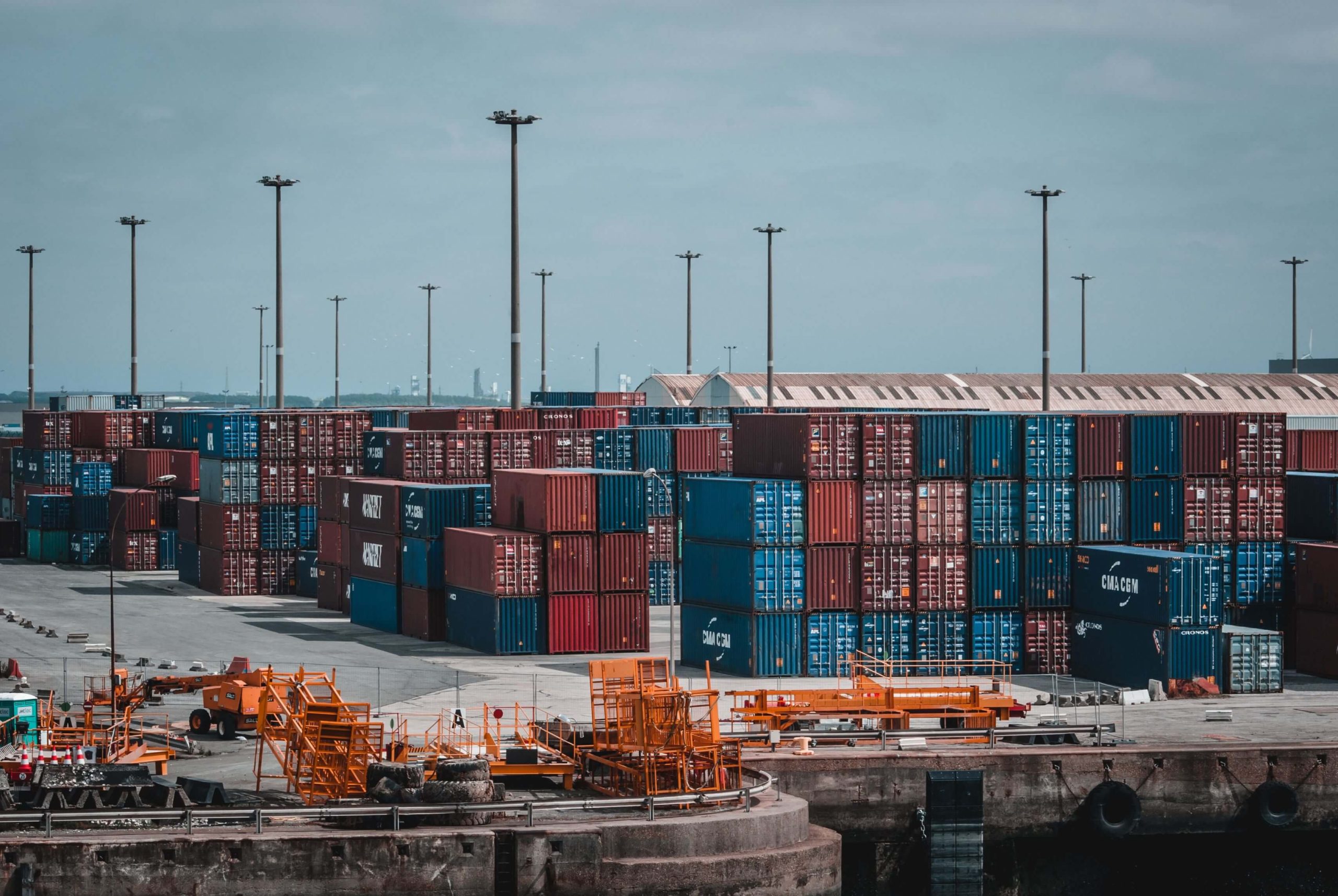
If you are moving fresh or frozen produce through the border, choosing a customs broker for produce importers in Laredo should be about more than basic paperwork. Perishable freight creates real pressure: every delay can affect shelf life, delivery timing, and the condition of the cargo.
A broker who understands produce imports needs to be fluent in FDA-related filings, familiar with cold-chain urgency, and ready to respond when a shipment cannot wait. That is especially important for importers comparing produce customs clearance Laredo options and looking for an FDA food import broker who can help reduce avoidable delays.
Key takeaways
- Produce imports are time-sensitive, so the broker’s process matters as much as the fee.
- FDA knowledge and prior notice handling are essential for fresh and frozen food shipments.
- A qualified TQ Customs Brokerage partner should offer clear communication, escalation procedures, and support for perishable freight.
What should produce importers ask first when choosing a broker in Laredo?
Question: What should produce importers ask first when choosing a broker in Laredo?
Answer: Ask whether the broker regularly handles FDA food shipments, perishable freight, and time-sensitive cold-chain cargo. That tells you quickly whether they are set up for produce clearance.
Why Produce Can’t Wait: The Cost of Customs Delays
Fresh and frozen produce does not have the same margin for error as non-perishable cargo. When a shipment is delayed at the border, the impact can extend beyond customs itself and affect the entire distribution plan. That is why perishable freight customs clearance requires more than a general-purpose brokerage approach.
A delay can mean reduced remaining shelf life, missed delivery windows, more time in refrigeration or storage, and added pressure on carriers and receiving facilities. In some cases, it can also create spoilage risk, rescheduling costs, or disruption to downstream buyers who are expecting the shipment on time.
For that reason, importers evaluating a customs broker for perishable goods should look for process discipline, responsiveness, and real experience with customs clearance for fresh produce. The right broker should anticipate issues before a shipment reaches a critical point, not simply react after the cargo is already delayed.
Rule of thumb: For perishable freight, the cost of a delay can matter more than the cost of brokerage.
The goal is not just to file entry paperwork. It is to keep the shipment moving through the border process with as little friction as possible, especially when the load is temperature-sensitive and the delivery schedule is tight. If you are comparing options, a Laredo customs broker for produce should be able to explain how they handle urgent food shipments from start to finish.
FDA Prior Notice, Handled
Food imports often require additional attention because FDA-related requirements can affect release timing. For importers, one of the most important questions is whether the broker understands the practical side of filing and coordinating FDA prior notice produce imports.
What Produce Importers Need to Know About FDA Prior Notice
At a basic level, FDA Prior Notice is part of the process for imported food shipments. It depends on accurate product and shipment information, and that means the broker needs the right details early enough to prepare the filing properly. When those details are incomplete or inconsistent, clearance problems can follow.
Information your broker may need from you
- Product description.
- Manufacturer or grower details.
- Shipper and consignee information.
- Quantity and packaging information.
- Arrival information.
- Country of origin.
- Carrier details, if available.
A strong FDA food import broker should have a clear system for collecting, checking, and organizing this information before arrival. That helps reduce preventable delays and supports smoother FDA import clearance Laredo processing.
Why FDA Fluency Matters When Time Is Tight
FDA knowledge is not separate from customs work. In produce imports, it is part of the same operational workflow. A broker that understands both customs and food-import requirements can spot missing information earlier and communicate more clearly when something needs attention.
Questions to ask a broker
- Who reviews FDA-related information?
- How are missing details identified?
- Who contacts you if something is incomplete?
- How are urgent shipments escalated?
If your shipment is time-sensitive, that kind of workflow matters. It also helps distinguish a general filer from a broker with real food-import experience. If helpful, this is a good place to link to your FDA import compliance services page or create one if you do not already have it.
Cold-Chain and Perishable Urgency: What Your Broker Should Understand
A produce shipment is not just a customs file. It is part of a larger cold-chain operation, and delays in the clearance process can affect everything downstream. That is why importers should think beyond paperwork and evaluate whether the broker understands refrigerated and frozen freight in practice.
Customs Clearance Is Part of the Cold Chain
The broker may not control the truck, warehouse, or receiving schedule, but their work influences how smoothly the freight moves across the border. Coordination matters among the importer, broker, carrier, warehouse, and final receiver, especially when the cargo is temperature-sensitive.
A shipment in motion needs fast answers, accurate status updates, and clear communication when additional information is requested. That is why refrigerated freight customs clearance and perishable freight customs clearance are not just administrative services — they are operational support for a time-sensitive supply chain.
You can think of it like this:
Produce shipment → Documentation → Customs/FDA processing → Release → Cold-chain continuation → Final delivery
What to Ask About Perishable Shipment Handling
If you are evaluating a customs broker for perishable goods, ask direct questions about their actual handling process.
7-question buyer checklist
- Do you regularly handle fresh or frozen produce?
- Do you understand the urgency of refrigerated cargo?
- How are time-sensitive shipments prioritized?
- Who monitors the shipment if something changes?
- How do you communicate status updates?
- What happens if customs or FDA requests more information?
- Can you coordinate effectively with the carrier and importer?
These questions help you evaluate whether the broker is ready for customs clearance for fresh produce or whether they are treating it like any other cargo. If you have existing pages for perishable freight or cold-chain logistics, this is a natural place to link them.
Weekend and Holiday Coverage: When Produce Can’t Wait for Monday
Produce shipments do not always arrive during normal business hours. That is why coverage matters. If a load arrives on a weekend, a holiday, or after hours, the importer may need a broker who can respond quickly when a question comes up.
That can happen when customs requests more information, paperwork needs correction, a shipment is selected for additional review, or the carrier’s schedule changes. In those situations, produce customs clearance Laredo is about more than filing — it is about whether someone is available to respond when timing is critical.
Ask before you ship:
“Who do I contact if my perishable load has a clearance issue outside normal business hours?”
A strong broker should be able to explain weekend coverage, holiday coverage, after-hours escalation, and how urgent communication is handled. That does not mean the broker can override government schedules or guarantee release. It does mean they are prepared to manage the risk when timing is tight.
Getting a Produce-Specific Quote
If you are ready to evaluate a broker, the next step is to request a quote tailored to the shipment. A serious customs broker for produce importers Laredo should be able to explain how the quote is built and what information is needed to avoid surprises.
What a Broker Needs to Build an Accurate Quote
Have this information ready for your quote
- Commodity or product type.
- Fresh or frozen status.
- Country of origin.
- Shipment volume or expected frequency.
- Port or border crossing.
- Expected arrival date or frequency.
- Carrier information, if known.
- FDA-related product details.
- Special handling or cold-chain requirements.
- Whether after-hours support may be needed.
The more complete the information, the easier it is for the broker to provide a useful produce customs clearance Laredo quote. It also helps the broker identify any likely pressure points before the shipment moves.
What a Produce-Focused Broker Should Be Able to Explain
A qualified broker should be able to explain the brokerage process, required documents, FDA Prior Notice workflow, how urgent shipments are handled, and what happens if something changes. They should also be transparent about fees, limitations, and assumptions.
What to ask and why it matters
| Ask the broker | Why it matters |
|---|---|
| How do you handle FDA Prior Notice? | Confirms food-import familiarity. |
| Who handles urgent issues? | Clarifies escalation. |
| What coverage is available after hours? | Important for time-sensitive freight. |
| What information do you need before arrival? | Helps prevent avoidable delays. |
| What can affect final clearance timing? | Sets realistic expectations. |
If your site has a quote or contact page, this is the right place to link to it. It is also a strong point to mention TQ Customs Brokerage as the team ready to review shipment details and provide a produce-specific quote.
Choose a Laredo Customs Broker That Understands the Pressure Behind the Shipment
Produce importers need more than basic filing support. They need a broker who understands FDA requirements, knows the demands of fresh and frozen produce, respects cold-chain urgency, and communicates clearly when timing matters.
The right Laredo customs broker for produce cannot guarantee a government decision or a release time. But the right partner can help reduce avoidable friction, organize information early, and respond quickly when shipments are under pressure.
If you are comparing providers, request a quote built for perishables and ask how the broker handles urgent food imports. For produce shipments through Laredo, that is often the difference between a smooth clearance process and an expensive delay.
Get a produce clearance quote built for perishables.
Frequently Asked Questions
1. What makes a customs broker a good fit for produce imports in Laredo?
A good fit is a broker that understands FDA filings, perishable freight urgency, and how to coordinate time-sensitive shipments across the border.
2. Why is FDA Prior Notice important for produce shipments?
FDA Prior Notice is part of the imported food process, and accurate information helps reduce avoidable delays and filing issues.
3. Can a customs broker guarantee fast clearance for produce?
No. A broker can help reduce friction and organize the process, but government review and shipment conditions can still affect timing.
4. What should I ask before choosing a broker for refrigerated produce?
Ask about FDA experience, after-hours coverage, status updates, urgent issue handling, and how they coordinate with carriers.
5. Why request a produce-specific quote instead of a general customs quote?
A produce-specific quote helps the broker account for cold-chain urgency, FDA-related needs, and any special handling your shipment may require.