


Customs Broker Texas: Broker vs Freight Forwarder vs Carrier — Who Does What for Imports?
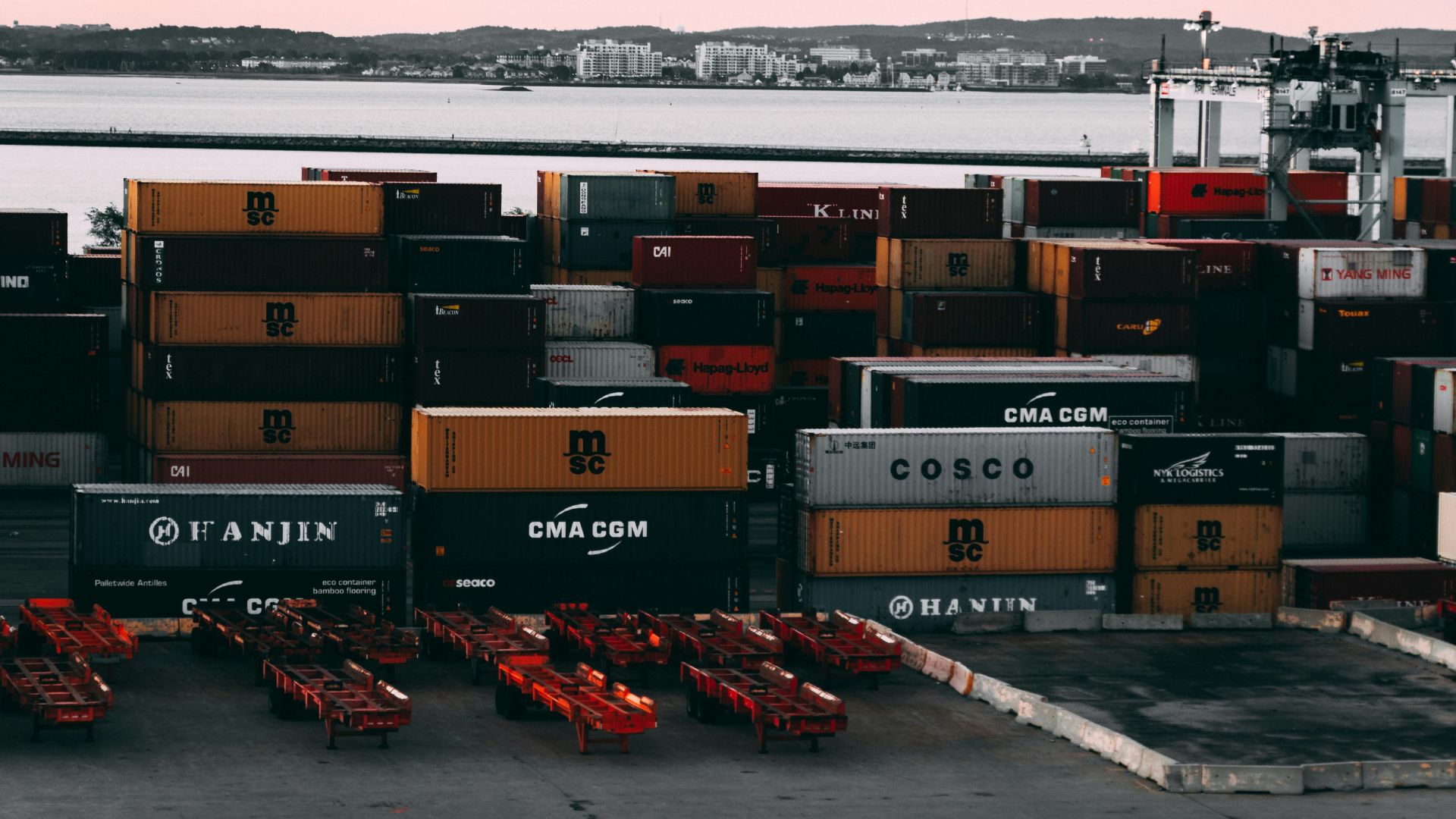
If you’re importing goods into Texas, you’ve probably heard terms like carrier, freight forwarder, and customs broker Texas used almost interchangeably.
They are not interchangeable.
Many first-time importers assume one company “handles everything.” In reality, these roles are legally and operationally distinct. Misunderstanding who is responsible for what can lead to:
- Delayed shipments
- Unexpected fees
- Compliance violations
- Finger-pointing when something goes wrong
This guide breaks down each role. By the end, you’ll understand:
- Who physically moves your goods
- Who plans and coordinates transportation
- Who legally clears your shipment with U.S. Customs
- Who you are required to appoint
- When you need all three
If you’re new to the Texas import process, you may also want to review our guide to importing goods through Texas for foundational context.
Key Takeaways
- These Roles Are Not Interchangeable: Carrier, freight forwarder, and customs broker each serve a distinct function. None automatically replaces the others.
- The Importer Is Ultimately Responsible: Even with hired partners, legal compliance responsibility remains with the importer of record.
- Customs Compliance Is a Specialized Function: Transportation and logistics planning do not equal customs clearance. A licensed customs broker handles regulatory compliance.
What Is a Customs Broker?
A customs broker is a federally licensed professional who represents importers before U.S. Customs and Border Protection (CBP).
Simply put, they handle the legal paperwork and compliance required to bring goods into the United States.
They do not move freight or operate trucks or ships. Their role is to ensure shipments are properly classified, duties are calculated, entry documents are filed, and any CBP issues are resolved.
When importing into Texas—especially through busy land borders—a customs broker Texas businesses rely on plays a key role in preventing delays and penalties.
Why These Roles Are Commonly Confused (Especially in Texas Imports)
Confusion happens for a few reasons.
1. Overlapping Services
Some companies market bundled logistics services. A freight forwarder may offer customs brokerage. A broker may recommend carriers. The lines can appear blurred.
But legally, the responsibilities remain distinct.
2. Simultaneous Involvement
In a typical Texas import:
- A carrier is moving the freight
- A freight forwarder may be coordinating the route
- A customs broker is filing entry documents
All three can be active at the same time.
3. Texas-Specific Complexity
Texas handles both:
- Major ocean port imports (e.g., Houston)
- High-volume land border crossings (e.g., Laredo)
Land-border shipments, in particular, require tight coordination and advance customs filing.
4. Marketing Language vs. Legal Responsibility
Marketing materials often say “we handle your imports.” But legal responsibility is defined by regulation — not marketing.
Let’s clarify each role.
The Carrier – Who Physically Moves the Freight
A carrier is the company that physically transports your goods.
This could be:
- A trucking company
- An ocean shipping line
- An airline
- A rail operator
What a Carrier Does
| Carrier Does | Carrier Does Not |
| Transport goods from origin to destination | Classify goods for customs |
| Issue a bill of lading or airway bill | File customs entry |
| Provide tracking for shipment movement | Calculate duties or taxes |
| Handle cargo handling and delivery | Make compliance decisions |
Common Misconception
“My carrier will clear customs.”
Carriers move freight. They do not make compliance decisions. They do not determine tariff classifications. They do not file customs entries unless separately licensed as brokers.
If customs paperwork is incorrect, the carrier is not legally responsible for fixing compliance errors.
The Freight Forwarder – Who Plans and Coordinates Transportation
A freight forwarder acts as a logistics coordinator.
They typically do not own trucks, ships, or planes. Instead, they:
- Arrange transportation
- Book carriers
- Plan routes
- Consolidate shipments
- Coordinate documentation
What a Freight Forwarder Typically Does
- Compare shipping options
- Negotiate freight rates
- Coordinate pickup and delivery
- Manage cargo consolidation
- Provide shipment tracking
What a Forwarder Cannot Legally Do (Without a License)
Unless they are also a licensed broker, a forwarder cannot:
- File customs entries with U.S. Customs and Border Protection (CBP)
- Make binding tariff classification decisions
- Act as your customs compliance representative
Many forwarders partner with a customs broker for clearance.
Freight Forwarder vs Customs Broker
A common search term is freight forwarder vs customs broker. The simplest distinction:
- Forwarder = transportation planner
- Broker = compliance and customs filing specialist
They often work together, but one does not replace the other.
The Customs Broker – Who Handles U.S. Customs Compliance
A customs broker is federally licensed by U.S. Customs and Border Protection (CBP).
They are authorized to act on behalf of importers in customs matters.
A customs broker Texas importers work with files official entry documents for goods arriving into the United States.
Core Responsibilities
A customs broker:
- Determines Harmonized Tariff Schedule (HTS) classification
- Files customs entry with CBP
- Calculates duties and taxes
- Communicates with CBP regarding holds or exams
- Ensures required documentation is submitted
Without proper customs clearance, goods cannot legally enter U.S. commerce.
Why Brokers Are Often Mandatory in Practice
Technically, an importer can self-file. In practice, most businesses hire a broker because:
- Classification is complex
- Regulations change
- Errors can result in penalties
- Border timing requires advance filing
Customs clearance Texas procedures — especially at land borders — move quickly. Entry documents must often be filed before arrival.
Value-Added Broker Services
Beyond entry filing, some brokers offer:
- Trade compliance consulting
- Post-entry corrections
- Duty drawback services
- Audit preparation support
If you’re evaluating options, reviewing what a customs broker in Texas provides can clarify scope and expectations.
How These Three Roles Work Together in a Typical Texas Import
These roles are complementary — not competitive.
Example: Mexico-to-Texas Truck Shipment
- Freight Forwarder
- Coordinates shipment from Mexican supplier
- Books carrier
- Organizes documentation flow
- Coordinates shipment from Mexican supplier
- Carrier (Trucking Company)
- Physically moves goods to Texas border
- Provides bill of lading
- Physically moves goods to Texas border
- Customs Broker
- Files entry with CBP before arrival
- Communicates with customs officials
- Secures release
- Files entry with CBP before arrival
Once CBP releases the goods, the carrier can proceed inland. At Texas land borders, especially high-volume crossings, coordination timing is critical.
Who Is Legally Responsible for What? (This Is Where Mistakes Happen)
Here’s the key point many importers overlook:
The importer of record is legally responsible for compliance.
Even if you hire a broker:
- The broker acts as your agent
- The carrier transports goods
- The forwarder coordinates logistics
But you — the importer — remain responsible for:
- Correct classification
- Accurate valuation
- Proper origin declarations
Carrier Liability vs Compliance Liability
- Carriers are liable for cargo loss or damage (within limits).
- Brokers are liable for filing as instructed and within professional standards.
- Importers are liable for compliance accuracy.
“I thought they handled that” does not protect the importer in a CBP audit.
Understanding roles prevents misplaced assumptions.
Do You Need All Three? A Practical Decision Guide
Not every shipment requires all three parties separately.
Scenario 1: Direct Carrier + Broker
You may only need:
- A carrier
- A customs broker
This works well if:
- You already manage logistics internally
- Shipments are straightforward
- You have established transportation relationships
Scenario 2: Forwarder + Broker + Carrier
You may benefit from a freight forwarder if:
- You import from overseas
- Routing is complex
- You consolidate multiple suppliers
- You lack internal logistics resources
The forwarder coordinates transport. The broker handles customs.
Scenario 3: Mexico-to-Texas Land Border Shipments
If you are importing via truck from Mexico:
- A Texas-experienced broker is essential
- Advance filing timing matters
- Coordination between Mexican and U.S. parties is critical
This is where working with a customs broker in Texas businesses rely on for land-border expertise becomes especially important.
If you are unsure what combination fits your operation, talk to a Texas customs broker about your import needs before committing to a logistics structure.
Why Choosing the Right Texas Customs Broker Matters
Texas handles enormous import volume — especially at land border crossings.
At high-traffic ports, such as Laredo:
- Entry filing must be precise
- Timing must be coordinated
- Documentation must match across borders
A customs broker Laredo importers work with regularly understands port-specific processes and inspection patterns.
If your freight crosses South Texas daily, a customs broker Laredo TX businesses rely on may reduce operational friction.
Working with a broker familiar with your specific crossing often prevents delays caused by unfamiliarity with local procedures.
If you’re evaluating options, you can learn more about choosing a customs broker in Texas or working with a customs broker in Laredo for border-focused support.
Different Jobs, Different Responsibilities
Carrier vs Freight Forwarder vs Customs Broker.
Each role exists for a specific purpose:
- Carrier moves the freight.
- Freight Forwarder plans and coordinates transportation.
- Customs Broker handles legal customs compliance.
No single role automatically covers the others.
Understanding these distinctions helps you:
- Avoid compliance gaps
- Reduce delays
- Make informed hiring decisions
- Protect your business from regulatory risk
If you’re importing into Texas and want clarity about who you need — and why — talk to a Texas customs broker about your import structure before your next shipment moves.
Frequently Asked Questions
1. Who clears customs — the carrier or the broker?
A licensed customs broker clears customs. Carriers move goods but do not file entry documents unless separately licensed.
2. Can a freight forwarder act as a customs broker?
Only if the forwarder employs a federally licensed customs broker. Otherwise, they must partner with one.
3. Do I legally need a customs broker to import into Texas?
You are not required to hire one, but most businesses do because customs regulations are complex and mistakes can result in penalties.
4. What is the difference between customs clearance Texas and transportation services?
Transportation services move freight. Customs clearance Texas refers specifically to filing entry documents, calculating duties, and securing CBP release.
5. If I import through Laredo, do I need a local broker?
Not legally. However, working with a broker familiar with Laredo procedures can improve efficiency for land-border shipments.