


Customs Clearance Process Explained: What Actually Happens to Your Shipment at a U.S. Port of Entry
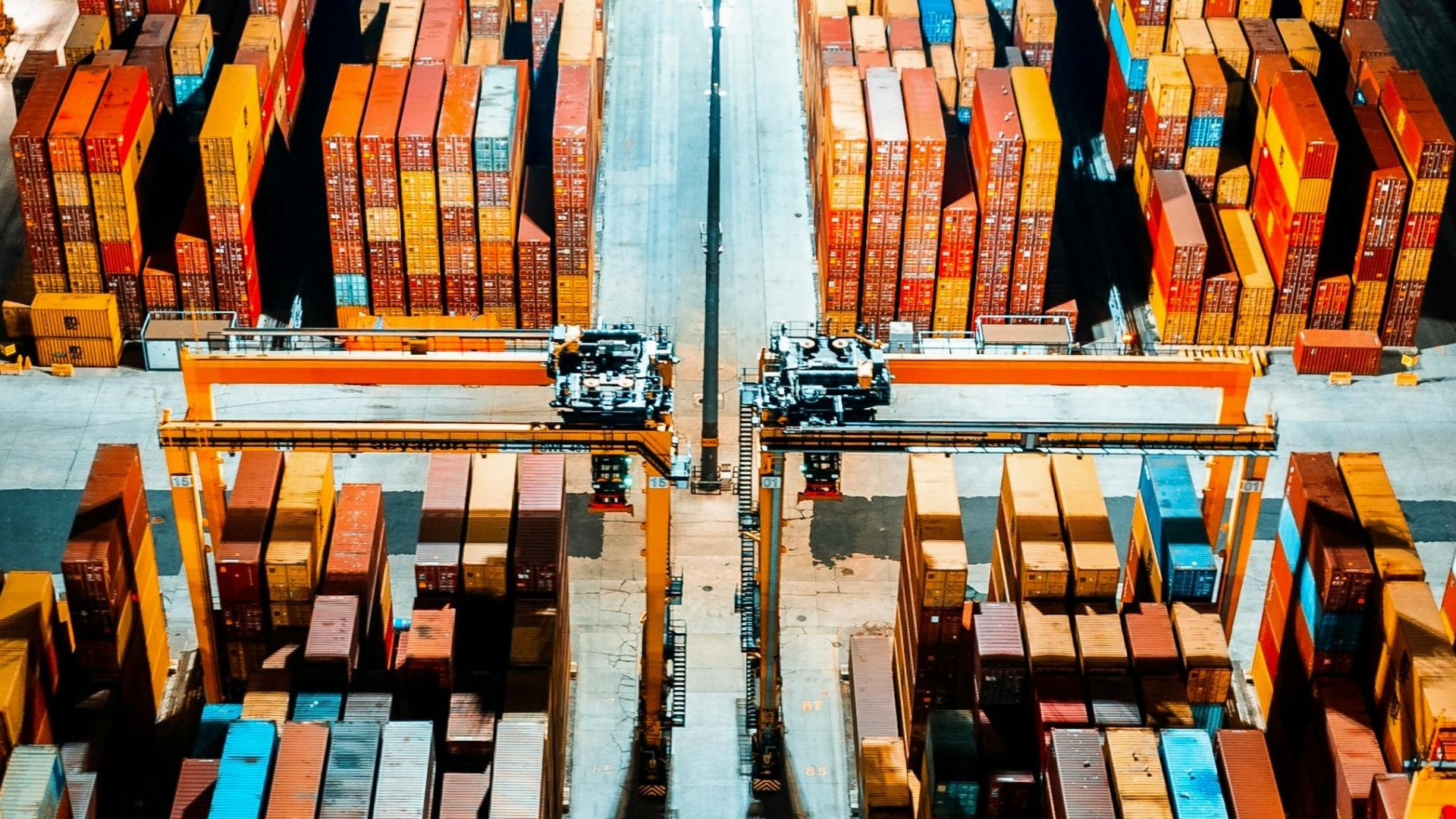
If you’re importing goods into the United States for the first time, the moment your tracking status changes to “arrived at port” or “in customs” can feel uncertain.
You may be wondering:
- Is something wrong with my shipment?
- Why hasn’t it moved yet?
- How long is this supposed to take?
These are common concerns—especially for business owners with inventory, deadlines, or customers waiting.
The reality is that every shipment entering the U.S. goes through a structured review process. While the terminology can feel technical, the process itself follows a predictable sequence designed to ensure compliance, safety, and proper documentation.
Key Takeaways
- Customs clearance follows a 6-step process—not guesswork
- Most shipments clear within 1–3 days if the documentation is accurate
- Delays are usually tied to paperwork, exams, or regulatory checks—not “bad luck.”
What Is U.S. Customs?
Question: What is U.S Customs?
Answer: U.S. Customs refers to the regulatory system managed by U.S. Customs and Border Protection (CBP), which oversees the entry of goods into the United States. Their role is to:
- Verify shipments are legal and properly declared
- Assess duties and taxes
- Enforce safety, trade, and import regulations
- Prevent prohibited or unsafe goods from entering the country
In simple terms, Customs is the checkpoint your shipment must pass before it can legally enter the U.S. market.
Got a “Shipment in Customs” Update? Here’s What It Actually Means
If you’ve seen the status “in customs,” it can feel vague—and honestly, a little stressful.
Here’s the reassurance most first-time importers need:
“In customs” does NOT mean something is wrong.
It simply means your shipment is moving through a structured review process at the port of entry.
This guide breaks down the customs clearance process explained step by step so you can understand exactly what’s happening behind the scenes.
Instead of guessing or worrying, you’ll see that:
- There are 6 predictable steps
- Each step has a purpose
- Most shipments move through without major issues
The 6-Step U.S. Port of Entry Process (At a Glance)
Before diving deeper, here’s a simple map of the US port of entry import process steps:
- Manifest Filed – Carrier reports shipment details to CBP
- ISF Match – Security data is verified (ocean freight)
- Entry Filing – Import request submitted by broker
- Exam Selection – Shipment may be inspected (or not)
- Duty Payment – Taxes and fees are paid
- Release – Shipment is cleared for delivery
Important:
- Not every shipment is inspected
- Timelines vary depending on documentation, port activity, and risk factors
Step 1: Manifest Filing — Your Shipment Enters the System
What happens here:
Before your shipment even arrives, the carrier (shipping line or airline) submits a manifest to CBP.
This document includes:
- Shipper and consignee details
- Cargo description
- Container information
CBP uses this data for initial screening and risk assessment.
Typical timeline:
- Filed before arrival or same day
What could delay this? (Rare)
- Missing or incorrect cargo details
- Late submission by carrier
This step marks the official start of your customs clearance timeline.
Step 2: ISF Match — Security Checkpoint (For Ocean Shipments)
If your goods are coming by sea, this step is critical.
ISF (Importer Security Filing) must match the manifest data submitted by the carrier.
- Filed 24 hours before loading at origin
- Includes detailed shipment data (supplier, buyer, product info)
Why it matters: CBP uses ISF for security screening before goods even reach the U.S.
If ISF is incorrect, delays often start here.
Typical timeline:
- Filed pre-arrival
- Issues appear once shipment reaches port
This is a key part of the import process USA step by step, and one of the most common early error points.
Step 3: Entry Filing — Official Request to Import Goods
This is where your shipment formally requests entry into the U.S.
A licensed customs broker—like TQ Customs Brokerage—files this on your behalf.
What’s included:
- Product classification (HTS code)
- Declared value
- Country of origin
- Duty calculations
Required documents often include:
- Commercial invoice
- Packing list
- Bill of lading
- ISF data (if ocean freight)
The filing is submitted electronically to CBP.
Typical timeline:
- Same day to 1–2 days
Pro tip: Filing early (called “pre-entry”) can speed things up significantly.
This is the core stage of the customs clearance process explained, where accuracy matters most.
Step 4: Exam Selection — Will Your Shipment Be Inspected?
This is where most anxiety comes in.
Good news: most shipments are NOT examined.
CBP selects shipments for inspection based on:
- Random selection
- Risk profiling
- Documentation inconsistencies
Types of Exams & Timeline Impact
| Exam Type | What Happens | Time Impact |
| X-ray | Non-intrusive scan | +1–2 days |
| Tailgate | Partial physical inspection | +2–4 days |
| Intensive Exam | Full unload and inspection | +5–7+ days |
Common customs hold reasons:
- Missing or incorrect paperwork
- ISF mismatch
- Suspicious cargo description
- Regulatory agency review
Reality check: Exams are a normal part of international trade—not a sign of wrongdoing.
Step 5: Duty Payment — Settling What’s Owed
Before your shipment can be released, duties and taxes must be paid.
These are calculated based on:
- Product classification
- Declared value
- Trade agreements (if applicable)
Who pays?
- The importer directly
- Or the broker pays on your behalf and invoices you
Typical timeline:
- Same day if everything is ready
Simple example:
If you import electronics valued at $10,000 with a 5% duty rate:
→ You owe $500 in duties
This step is usually quick but still part of the overall customs clearance timeline.
Step 6: Release — Your Shipment Is Cleared
Once CBP is satisfied:
- Documentation is correct
- Duties are paid
- No exam issues remain
Your shipment is officially released.
Important distinction:
Released ≠ Delivered
After release:
- Freight forwarder schedules pickup
- Trucking or final delivery begins
Typical timeline:
- Same day after clearance
This is the final step before your goods reach their destination.
So, How Long Does Customs Clearance Actually Take?
One of the most common questions is:
“how long does customs clearance take at port of entry?”
Typical Timeline Scenarios
| Scenario | Estimated Time |
| Smooth clearance | 1–3 days |
| Minor delays | 3–5 days |
| With exam | 3–10+ days |
What affects timing?
- Accuracy of documentation
- Port congestion
- Whether an exam is triggered
- Involvement of agencies like the FDA or the USDA
Common Reasons Shipments Get Delayed in Customs
Even well-prepared shipments can hit delays.
Most common causes:
- Incorrect or incomplete paperwork
- Missing ISF filing
- Random customs exams
- Misclassification of goods
- Review by partner agencies
Understanding these risks helps you plan more realistically.
What People Often Get Wrong About Customs Clearance
- Myth: “In customs” means something is wrong
→ Reality: It’s a normal stage - Myth: All shipments are inspected
→ Reality: Most are not - Myth: Clearance is unpredictable
→ Reality: It follows a structured 6-step process - Myth: Faster shipping = faster clearance
→ Reality: Documentation matters more than speed
When Comparing Brokers or Clearance Support, Here’s What to Look For
If you’re working with a broker, consider:
- Experience with your product category
- Strong documentation accuracy processes
- Ability to pre-file entries
- Clear communication during delays
- Familiarity with partner agency requirements
This helps reduce friction across the entire clearance process.
The Big Takeaway: It’s a Process, Not a Black Box
At first glance, customs can feel confusing.
But once you break it down, it’s clear:
Manifest → ISF → Entry → Exam → Duties → Release
That’s the full flow.
It’s not random—it’s structured and predictable.
The more prepared your documentation is, the smoother your shipment will move.
FAQs
What does “in customs” mean?
It means CBP is reviewing your shipment, which is a normal process step.
How long does customs clearance take?
Most shipments clear in 1–3 days, or longer if inspections are required.
What are the steps in customs clearance?
Manifest, ISF (ocean), entry filing, exam (if selected), duty payment, and release.
Are all shipments inspected?
No, most shipments are cleared without inspection.
What causes delays in customs?
Delays usually come from paperwork errors, missing filings, misclassification, or exams.