


What to Expect in Your First 30 Days With a Laredo Customs Broker
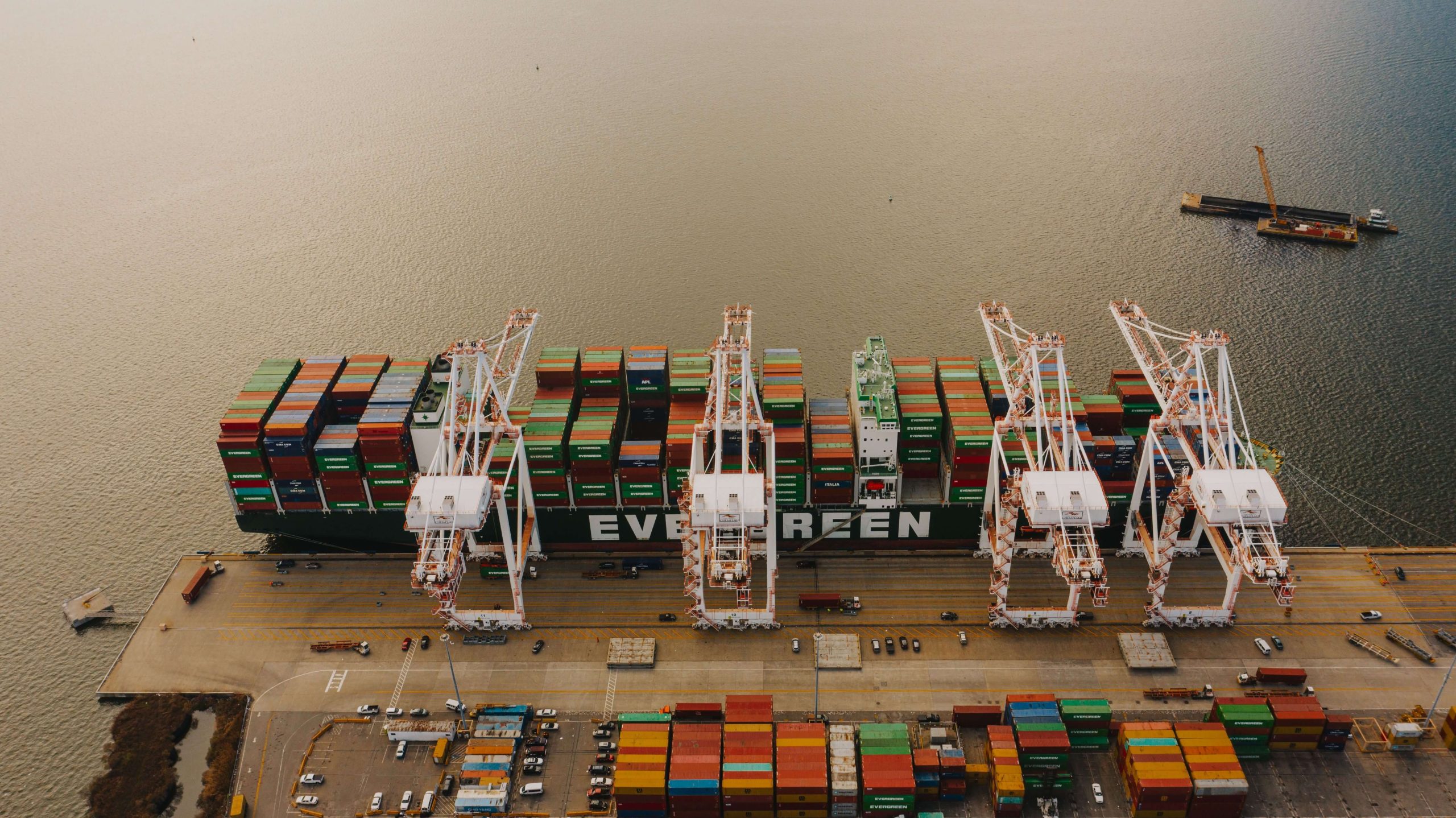
Onboarding a new customs broker typically takes about 30 days and follows four main stages: account setup and power of attorney, first shipment preparation, process testing, and a month-end review. The exact timeline depends on your shipment volume, documentation, and import complexity, but active participation from your team is essential. A successful onboarding process should leave you with clear workflows, established contacts, reliable communication, and a repeatable system for future shipments.
Key Takeaways
- Expect the onboarding process to take roughly 30 days, depending on your operation and documentation.
- Week one typically focuses on account setup, POA, importer information, and product data.
- Weeks two and three are when your first shipments and entries test the new workflow.
- Use early shipments to identify and fix documentation, communication, and process gaps.
- Establish clear primary contacts, backup contacts, and escalation procedures.
- By day 30, you should have a repeatable clearance process and clear responsibilities on both sides.
- Review the first month’s activity and set improvement goals for the next 60–90 days.
How long does onboarding a new customs broker take?
Q: How long does onboarding a new customs broker take?
A: Most onboarding processes can be organized around a 30-day timeline, but the actual time depends on your documentation, shipment volume, product complexity, and how quickly required information is provided.
Week 1: Setup, POA, and Data
The first week is about authority and information. Your broker needs the legal standing to act on your behalf, and they need enough detail about your business to actually do the work. Nothing moves through a port without both of those pieces locked in.
Complete onboarding and account setup
Expect to hand over the basics: company and importer information, primary contacts, billing details, and a shipment profile that covers your expected import volume, key products, and typical origin and destination points. If freight moves by truck, your carrier and logistics contacts matter here too. The specifics shift depending on the broker and your particular import setup, so don’t be surprised if one company asks for a slightly different packet than another.
Establish the appropriate POA relationship
Power of attorney isn’t paperwork you shuffle through later. It has to happen before the broker can legally handle your customs business, and under updated CBP guidance, that authorization needs to run directly between you and the broker, not through some intermediary or freight forwarder standing in the middle. I’ve seen importers assume their old POA just “transfers” to a new broker like a subscription. It doesn’t. Each broker relationship starts its own authorization, verified against your identity, sometimes with a government photo ID requested to satisfy validating power of attorney standards.
Build the import data profile
This is where things get granular, and honestly, where most of the friction later gets prevented or created. The broker needs to understand what you’re importing: product descriptions, classification information, country of origin, supplier details, commercial invoice formatting, typical shipment value, how often you import, and any special documentation your goods require. Better data upfront saves you weeks of back-and-forth down the line, especially once real shipments start hitting the clearance process.
Define communication and escalation
Somebody needs to own this relationship on both sides. You want a primary contact, a backup, someone for urgent issues, and an agreement on how updates flow, whether that’s email, a portal, or a phone call when something’s stuck.
Here’s a rough checklist for where you should stand by the end of week one:
- Account setup complete
- POA completed and verified
- Importer information provided
- Product data reviewed
- Key contacts established
- Communication process agreed
- First shipment identified
If you’re coming from an existing provider rather than starting fresh, the mechanics look a little different, and it’s worth reading through what a proper broker transition actually involves before you assume everything just carries over cleanly.
Weeks 2–3: First Entries and Tuning
This is where theory meets freight. Your first actual entries move through the system, and this stretch tells you more about the relationship than any onboarding call ever could.
Prepare for the first import
Depending on the shipment, your broker will need a commercial invoice, packing list where applicable, product information, origin details, and whatever else the specific goods require. A good broker tells you exactly what’s needed and when, rather than leaving you guessing until something gets held up at the border.
Review the first entry
Your opening shipment is a chance to check whether the whole system actually works. Are the product descriptions accurate? Does the classification match what you expected? Is the country-of-origin data consistent with what’s on file? I want to be clear here, because there’s a common misconception floating around: your first entry isn’t automatically flagged for some special CBP review just because it’s new. That’s not how it works. The point of watching it closely is internal, not regulatory. You’re testing your own workflow, not triggering extra government scrutiny.
Tune the process based on what happens
Almost nobody nails everything perfectly on shipment one. Maybe product descriptions need more specificity. Maybe documents arrived a day too late. Maybe the escalation contact you set up in week one turns out to be the wrong person entirely. This is normal, and honestly it’s the whole reason weeks two and three exist as their own phase instead of being lumped into “setup.” Onboarding doesn’t end when your first shipment clears.
Establish a repeatable workflow
By the end of this stretch, you should know what information to send, when to send it, who to contact, how status updates work, and how exceptions get escalated when something goes sideways.
| Stage | What Happens |
|---|---|
| Before arrival | Documents gathered and reviewed |
| Document submission | Broker confirms completeness |
| Entry preparation | Classification and data verified |
| Clearance | Entry filed with CBP |
| Post-entry review | Process gaps identified and fixed |
The first shipment is a test of the process, not a test of whether one shipment happens to clear. Keep that distinction in mind, because it changes how you evaluate the whole experience.
Week 4: Reporting and Review
By now the relationship should be shifting from “getting set up” to “does this actually work consistently.” That’s the real question week four is built to answer.
Review the first month’s activity
Look at how many shipments moved, how entries were handled, whether documentation issues popped up more than once, whether communication broke down anywhere, and whether any holds or exceptions occurred. Recurring questions are worth flagging too. If the same issue comes up three times in a month, that’s not bad luck, that’s a pattern.
Identify process improvements
Ask whether documents are arriving early enough, whether product descriptions stay consistent shipment to shipment, whether your internal team understands who’s responsible for what, and whether urgent issues actually reach the right person quickly. Small friction points compound over time if nobody addresses them here.
Set the next 60–90 days
Agree on a reporting cadence, whatever metrics matter to your operation, a review schedule, and where volume is headed. This is also the moment to lock in any process changes identified during the first entries.
Who You’ll Work With
A huge chunk of onboarding frustration, in my experience, comes down to one simple thing: not knowing who to call. Let’s fix that.
Your account or client manager typically coordinates the overall relationship and serves as your general point of contact. The customs entry or operations team handles the day-to-day work, actual entry preparation, documentation review, and shipment-specific questions. Compliance or escalation contacts step in for the more complex stuff, tariff disputes, classification questions that need deeper review, and anything outside routine handling. And your own internal team plays a role too. The customs broker onboarding process is a two-way street. You need to provide timely documents, accurate product information, and clear points of contact on your side, or none of the above matters much.
| Role | What They Typically Handle | When You Contact Them |
|---|---|---|
| Account manager | Relationship and coordination | General questions |
| Operations team | Entry and shipment workflow | Day-to-day issues |
| Compliance/escalation | Complex questions | Exceptions or concerns |
| Your import team | Documents and internal approvals | Before shipment |
Worth noting, too: hiring a broker doesn’t transfer your legal liability. You, as the importer of record, remain fully accountable for the accuracy of your entries no matter how good your broker is. That’s not a scare tactic, it’s just how customs law works, and any broker worth their license will tell you the same thing upfront.
What Success Looks Like at Day 30
So, what happens after hiring a customs broker? A few markers matter more than the rest.
You should have a clear process by now, meaning everyone knows what’s required, documents move through a defined path, and shipment responsibilities aren’t ambiguous. Communication should feel solid too, primary and backup contacts locked in, escalation understood, status updates following whatever cadence you agreed to. Operationally, you should feel some confidence, your first shipments cleared, recurring issues got surfaced, and your broker actually understands your product line by this point. Visibility matters as well; you should know how to track your entries and shipments without having to ask every time. And finally, there should be an improvement plan, lessons from month one written down somewhere, priorities set for the next quarter.
| Area | Day 30 Goal |
|---|---|
| POA & account setup | Complete |
| Product/import data | Documented |
| First imports | Process established |
| Contacts | Clearly defined |
| Escalation | Understood |
| Reporting | Agreed |
| Improvement plan | Identified |
Why TQ Makes Onboarding Straightforward
You shouldn’t have to guess what happens after you hire your customs broker. A structured onboarding process, one that maps setup, POA authorization, data collection, first-entry validation, communication, and review into a clear sequence, is what separates a smooth first month from a frustrating one. That’s the framework this whole article has walked through, and it’s the same framework worth holding your TQ customs brokerage partner to, whoever you end up choosing.
If you’re weighing your options and want a broker who treats onboarding as a real process rather than an afterthought, start the conversation and request your welcome packet to see how the first thirty days actually unfold.
FAQs
What happens after hiring a customs broker?
Onboarding typically includes account setup, direct POA documentation, importer and product data collection, contact setup, and preparation for your first shipment.
How long does customs broker onboarding take?
It varies by importer complexity, documentation readiness, POA requirements, and shipment volume. Thirty days is a useful framework, not a guarantee for every operation.
What information does a new customs broker need?
Importer information, shipment details, product descriptions, origin data, and documentation, though exact requirements shift depending on your goods and volume.
What should I expect from my first import with a new broker?
Expect it to validate your documentation, communication, and entry workflow. Use it to catch process gaps early rather than treating it as a formality.
How do I know if onboarding went well?
By day thirty, responsibilities, contacts, documentation workflows, escalation steps, and reporting expectations should all feel clear and repeatable, not improvised.