


ISF Filing (“10+2”) Explained: How to Avoid $5,000 Penalties Before Your Shipment Even Leaves
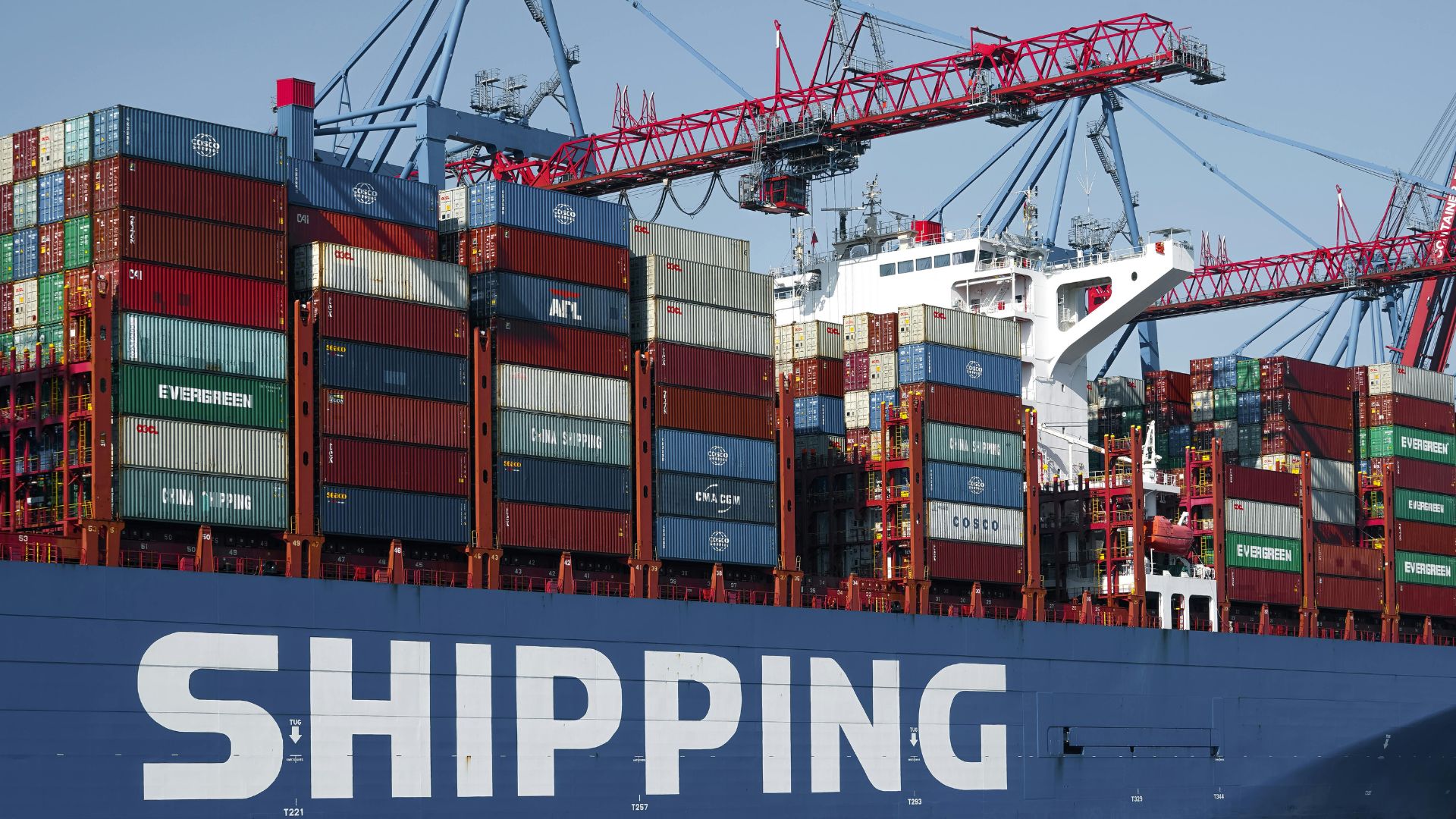
Why You Can Get Fined Before Your Shipment Even Arrives
Here’s the part that catches most importers off guard: you can be fined before your cargo even leaves the origin port.
ISF isn’t about arrival—it’s about pre-departure security screening. If your filing is late, incomplete, or incorrect, CBP can issue penalties immediately.
A common scenario:
- Your supplier loads the container
- Your forwarder assumes the broker filed ISF
- Your broker never received complete data
- The vessel departs… without a valid ISF
Result: a $5,000 penalty per violation, sometimes more than once per shipment.
If you’re searching for “ISF late filing penalty $5000 how to avoid”, this guide is exactly what you need.
Key Takeaways
- ISF must be filed 24 hours before loading—not before arrival
- You (the importer) are responsible, even if a broker files it
- Most penalties are avoidable with early data collection and clear ownership
What Is a Customs Broker?
Question: What is a Customs Broker?
Answer: A customs broker is a licensed professional who handles the legal side of importing goods into the United States. They file required documentation, ensure compliance with regulations, calculate duties, and communicate with U.S. Customs and Border Protection (CBP) on your behalf.
In the context of ocean freight, brokers often help file your ISF (“10+2”)—but you, the importer, are still legally responsible for its accuracy and timing.
What Is ISF Filing (“10+2”) in Simple Terms
Let’s strip away the jargon.
ISF (Importer Security Filing) is a mandatory filing required by CBP for ocean shipments entering the U.S.
It’s called “10+2” because:
- 10 data elements come from the importer
- 2 data elements come from the carrier
The purpose is simple:
Give CBP visibility into your shipment before it’s loaded onto a vessel.
If you’re wondering “ISF filing requirements customs 10+2”, think of it as a pre-shipment security declaration—not a clearance step.
Who Is Responsible for Filing ISF? (This Is Where Most Mistakes Happen)
This is the #1 source of confusion—and penalties.
Let’s be clear:
The importer of record is legally responsible for ISF filing.
Even if:
- Your broker files it
- Your freight forwarder coordinates it
You still own the responsibility.
This is why queries like “importer security filing who files ocean shipment” are so common—because responsibility and execution are often split.
What typically goes wrong:
- Importer assumes forwarder will file
- Forwarder assumes broker will file
- Broker never receives complete data
No filing happens—or it happens too late.
What you should do instead:
- Assign clear ownership upfront
- Confirm who is filing
- Ensure they have complete data early
The ISF Deadline: When It Must Be Filed (Critical Rule)
Here’s the rule that matters most:
ISF must be filed at least 24 hours before the cargo is loaded onto the vessel.
Not before departure.
Not before arrival.
Before loading.
Key timing facts:
- Applies to each container
- Late filing = immediate penalty risk
- Amendments are allowed—but must be timely
If your supplier loads earlier than expected and your ISF isn’t filed, you’re already in violation.
The 10+2 Data Elements Explained
The 10 Importer Data Elements
You need to provide:
- Seller – Who sold the goods
- Buyer – Who purchased them
- Importer of Record Number – IRS/EIN or SSN
- Consignee Number – Party receiving goods
- Manufacturer/Supplier – Where goods were made
- Ship-to Party – Final delivery location
- Country of Origin – Where goods originate
- HTS Code (6-digit minimum) – Product classification
- Container Stuffing Location – Where goods were packed
- Consolidator (Stuffer) – Who loaded the container
The 2 Carrier Data Elements
Handled by the carrier:
- Vessel Stow Plan
- Container Status Messages
What Happens If You File ISF Late or Incorrectly
This is where things get expensive—fast.
Potential consequences:
- $5,000 penalty per violation
- Multiple violations per shipment
- Increased inspection risk
- Delays upon arrival
- Possible shipment holds
And importantly:
Filing late doesn’t erase the violation—it just reduces further risk.
That’s why understanding “ISF filing requirements customs 10+2” isn’t optional—it’s critical.
Why ISF Mistakes Happen So Often
It’s rarely intentional. It’s usually process failure.
Common causes:
- No clear ownership
- Supplier sends incomplete data
- Last-minute shipment bookings
- Miscommunication between broker and forwarder
- Assuming “someone else handled it”
In short: lack of structure, not lack of effort.
How to Avoid ISF Penalties and Delays (Practical Checklist)
Use this as your baseline process:
ISF Compliance Checklist
- Assign one responsible party for ISF
- Collect all 10 data elements before booking shipment
- Verify HTS codes and supplier details
- Send complete data to broker early
- File ISF well before 24-hour deadline
- Review submission confirmation
- Update promptly if shipment details change
Pro tip: Don’t aim to file “on time”—aim to file early.
How a Customs Broker Helps You Stay Compliant with ISF
A broker doesn’t remove your responsibility—but they reduce your risk significantly.
What a broker does:
- Files ISF on your behalf
- Reviews data for completeness and accuracy
- Flags missing or inconsistent information
- Tracks deadlines and submission status
- Communicates with CBP if issues arise
With an experienced partner like TQ Customs Brokerage, the process becomes structured instead of reactive.
What to Do If You Already Missed an ISF Filing
If you’re already late, don’t wait.
Immediate steps:
- File ISF as soon as possible
- Correct any inaccurate data
- Notify your broker immediately
- Prepare for possible inspection or penalty
You can’t undo the violation—but you can limit the damage.
Final Takeaway: ISF Is Simple—But Only If You Plan Ahead
ISF isn’t complicated—but it’s unforgiving.
- It happens before your shipment leaves
- It requires complete and accurate data
- It has strict deadlines
Most penalties aren’t caused by complexity—they’re caused by poor coordination.
If you build a clear process and work with the right partner, ISF becomes predictable—not stressful.