


Our Texas Coverage: Customs Brokerage at Houston, DFW, Laredo, El Paso, and Other Ports of Entry
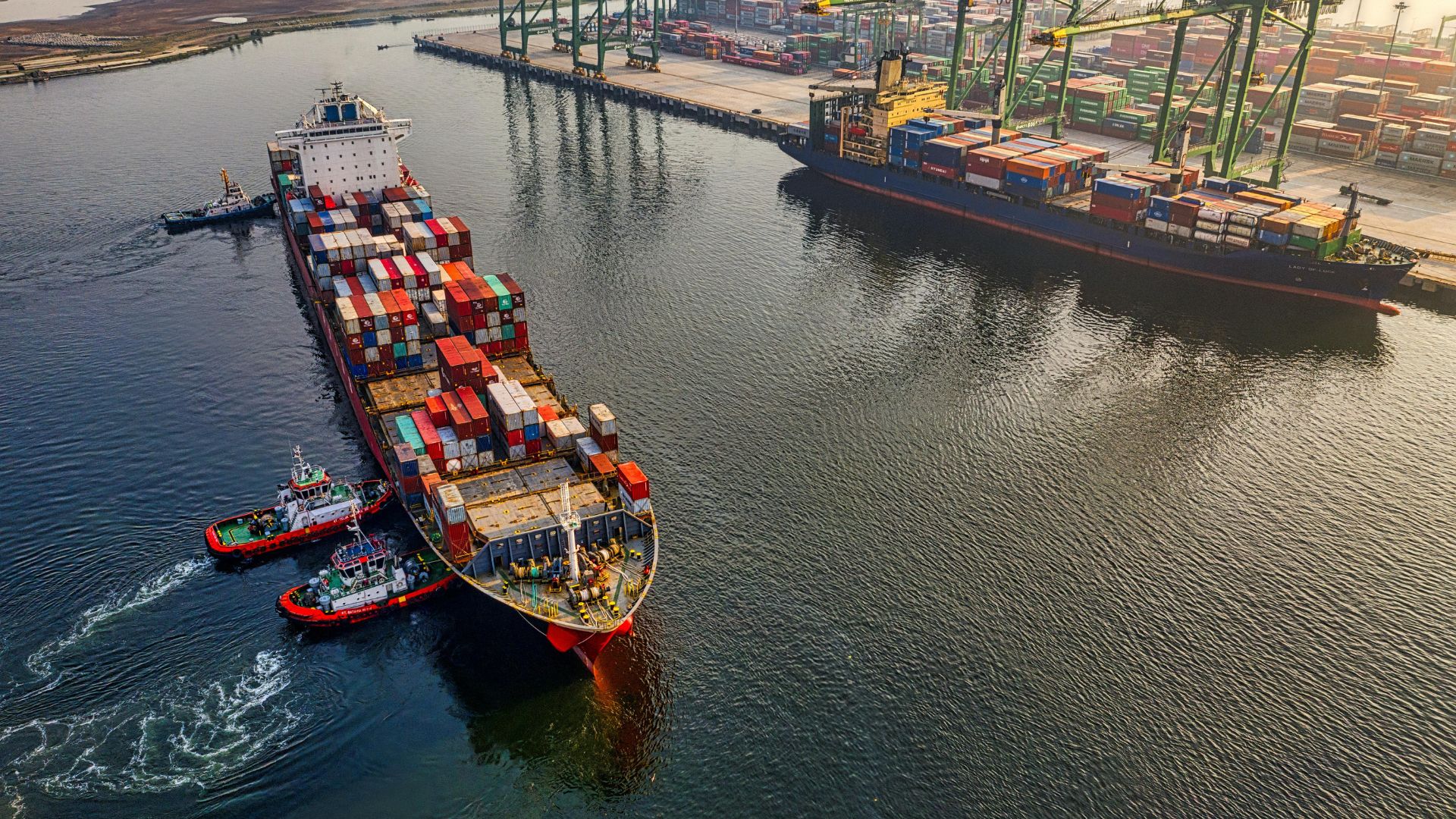
Importing through Texas often comes with one key question: “Can this customs broker actually support my specific port or border crossing?”
The short answer is yes—we support customs clearance across major Texas ports, airports, and land borders.
Texas has one of the most complex import landscapes in the U.S. From seaports like Houston to high-volume land crossings like Laredo, each location operates a little differently. It’s common for importers to worry that a broker might only handle one city or require a physical office nearby.
In reality, effective customs brokerage coverage isn’t about having an office at every port—it’s about having the systems, licensing, and coordination processes to clear shipments reliably wherever they arrive.
Below, we’ll walk through exactly how coverage works—and how we support imports across Texas so location never becomes a bottleneck.
Key Takeaways
- Yes, your location is supported. We provide customs brokerage coverage across all major Texas ports, airports, and border crossings—including Houston, DFW, Laredo, and El Paso.
- Coverage doesn’t require a local office. Through federal licensing and remote filing systems, we can clear shipments efficiently without being physically located at each port.
- Coordination matters more than geography. Reliable clearance depends on accurate filing, CBP communication, and strong coordination with carriers, warehouses, and partners.
How Customs Brokerage Coverage Works in Texas
Before diving into specific locations, it’s important to understand how customs brokerage actually works across the U.S.
Customs brokers are federally licensed, which means they are authorized to file entries at ports of entry nationwide—not just where they have offices. This is made possible through systems like Remote Location Filing (RLF), which allows brokers to electronically submit entries to U.S. Customs and Border Protection (CBP) regardless of physical location.
In plain terms:
- We don’t need to be physically sitting at a port to clear your shipment
- Entries are filed electronically with CBP
- Clearance decisions happen digitally in most cases
However, filing is only one part of the process.
Strong Texas customs brokerage coverage also includes:
- Coordination with carriers (trucking, ocean, air)
- Communication with warehouses and terminals
- Managing inspections, holds, or exams when they occur
- Working with local partners when needed
This is where experience matters more than a street address. A broker who understands port-specific workflows, timelines, and common issues can move shipments more efficiently—regardless of where their office is located.
Texas Ports, Airports, and Border Crossings We Serve
We support customs clearance across all major Texas entry points. Below are the most commonly used locations and how we operate at each.
Houston (Seaports & Air Cargo)
Houston is one of the busiest import hubs in the U.S., handling large volumes of ocean freight, breakbulk cargo, and containerized shipments.
We support:
- Ocean container clearance through the Port of Houston terminals
- Coordination with steamship lines and terminal operators
- Handling customs exams, holds, and document reviews
- Air cargo clearance via Houston-area airports
Typical importers using Houston include:
- Retail and consumer goods companies
- Industrial and construction material importers
- Energy and bulk commodity shippers
Our role is to ensure smooth coordination between CBP, terminals, and your logistics providers so that cargo moves without unnecessary delays.
Dallas–Fort Worth International Airport (Air Freight)
DFW is a key hub for time-sensitive and high-value air shipments.
We support:
- Rapid customs entry filing for incoming air cargo
- Coordination with airlines and bonded warehouses
- Clearance for electronics, medical goods, and urgent shipments
Air freight requires speed and accuracy. Even small documentation issues can delay release, so having responsive brokerage support is critical at DFW.
Laredo (Land Border with Mexico)
Laredo is the largest inland port of entry in the United States and a critical gateway for U.S.–Mexico trade.
If you’re searching for a customs broker Houston or a customs broker in Laredo, TX, this is where specialization matters most.
We support:
- High-volume truck crossings from Mexico
- Coordination with Mexican customs brokers (agentes aduanales)
- Timing-sensitive border clearances
- Commercial invoice and documentation validation
Border shipments often operate on tight timelines. Delays at Laredo can quickly impact production schedules, especially for:
- Automotive supply chains
- Manufacturing imports
- Maquiladora operations
Shipping Through Laredo? Talk to a Border Specialist
We help ensure documentation is aligned on both sides of the border and that your shipment clears efficiently.
El Paso (Border & Manufacturing Trade)
El Paso is another major Texas border crossing, with strong ties to manufacturing and cross-border production.
We support:
- Clearance for manufacturing and industrial goods
- Coordination with cross-border carriers
- Similar workflows to Laredo, with regional differences in traffic and timing
While El Paso and Laredo share similarities, each port has unique operational patterns. We account for these differences to ensure consistent clearance performance.
Other Texas Ports and Border Crossings
In addition to major hubs, we also support:
- Secondary land crossings
- Regional airports
- Alternate routing scenarios
If your shipping route changes—or you’re exploring new entry points—we can adapt quickly.
Not Sure Which Port You’ll Use? Get Guidance
We can help you evaluate the best entry point based on your cargo, timelines, and costs.
What “Local Support” Means (and What It Doesn’t)
One of the most common misconceptions is that a customs broker must have a physical office at a port to provide reliable service.
That’s not how modern customs clearance works.
What actually matters:
- Accurate and compliant entry filing
- Clear communication with CBP
- Strong coordination with logistics partners
- Experience handling port-specific issues
In some cases, we work with vetted on-the-ground partners for:
- Physical inspections
- Cargo exams
- Terminal coordination
This hybrid approach allows us to:
- Maintain flexibility across all Texas ports
- Avoid limiting yourself to one location
- Provide consistent service without unnecessary overhead
For small and mid-sized importers, this often results in more efficient and cost-effective operations.
How We Coordinate With Warehouses, Carriers, and Forwarders
Customs clearance doesn’t happen in isolation—it’s one step in a larger logistics chain.
We work directly with:
- Your freight forwarder
- Trucking companies
- Ocean carriers and airlines
- Bonded warehouses and storage facilities
Our role includes:
- Submitting entries and securing release from CBP
- Communicating release status to all parties
- Ensuring cargo is eligible for pickup or onward transport
At border crossings like Laredo and El Paso, coordination also includes:
- Aligning documentation between U.S. and Mexican brokers
- Managing timing for truck arrivals
- Avoiding delays caused by incomplete paperwork
Clear responsibility boundaries ensure nothing falls through the cracks—and you always know who is handling each step.
How to Confirm Coverage for Your Specific Shipment
If you want to confirm coverage, the process is simple.
We typically need:
- Port or border crossing
- Mode of transport (air, ocean, truck)
- Country of origin
- Type of goods
From there, we can quickly confirm:
- Clearance feasibility
- Any special requirements
- Expected timelines
It’s always best to confirm early—before cargo arrives—so there are no surprises during clearance.
Why Texas-Wide Coverage Matters as You Scale
Import routes rarely stay the same forever.
As your business grows, you may:
- Shift from air to ocean freight
- Add new suppliers in different regions
- Change border crossings based on cost or timing
Working with a broker that already supports multiple Texas entry points means:
- No need to switch providers as routes evolve
- Consistent compliance across all shipments
- Simplified operations with one point of contact
This flexibility becomes increasingly valuable as your import volume and complexity increase.
Ready to Clear Imports Through Your Texas Port of Entry?
Whether you’re importing through Houston, DFW, Laredo, El Paso, or another Texas location, the goal is the same: smooth, compliant, and predictable clearance.
You don’t need to worry about whether your broker is “local” to a port—you need to know they can handle the process end-to-end.
If you’re evaluating a customs broker Texas, or specifically looking for a customs broker Laredo TX, we’re here to help you move forward with clarity and confidence.
Frequently Asked Questions
Do I need a customs broker located in the same city as my port of entry?
No. Customs brokers are federally licensed, which allows them to file entries at ports across the United States. What matters most is their ability to manage filings, communicate with CBP, and coordinate with local logistics partners—not their physical office location.
Can you handle shipments at smaller or less common Texas ports of entry?
Yes. In addition to major hubs like Houston, DFW, Laredo, and El Paso, we can support clearance at secondary ports and crossings. If you have a specific location in mind, it’s best to confirm in advance so we can review any unique requirements.
What makes Laredo different from other Texas ports?
Laredo is the busiest land port in the U.S., with a high volume of truck crossings from Mexico. Shipments often require close coordination with Mexican customs brokers and carriers, along with precise timing to avoid delays. This makes border experience especially important.
How quickly can you confirm coverage for my shipment?
In most cases, coverage can be confirmed quickly once we have a few details—such as the port of entry, shipment type, and country of origin. Early confirmation helps prevent delays and ensures everything is in place before your cargo arrives.
What happens if my shipment is routed to a different Texas port?
We can continue to support your clearance even if your routing changes. Because our coverage is not limited to a single location, you don’t need to switch brokers if your entry point shifts due to cost, timing, or logistics decisions